

 Recommended by
Le Routard & Le Petit Futé
Recommended by
Our trips, especially our private ones, leave you plenty of free time to explore towns on your own, shop or try a restaurant. Here are the essentials on geography, climate, gastronomy, money, expenses on the ground, transport, packing and health — click a tab to open it.
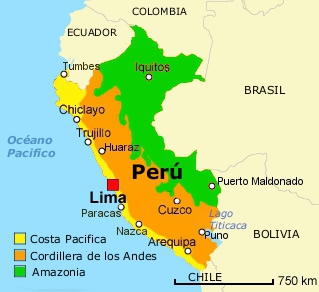
With 1,285,220 km² (twice the size of France), Peru is the 3rd largest country in South America, with around 35 million inhabitants, more than 10 million of whom live in Lima, divided into three zones:
Time difference: GMT-5H (-7H compared to France from April to October, -6H from November to March). The country is considered safe with the usual precautions; Paprika Tours reduces risks with well-located hotels, covered transfers and local French-speaking representatives.
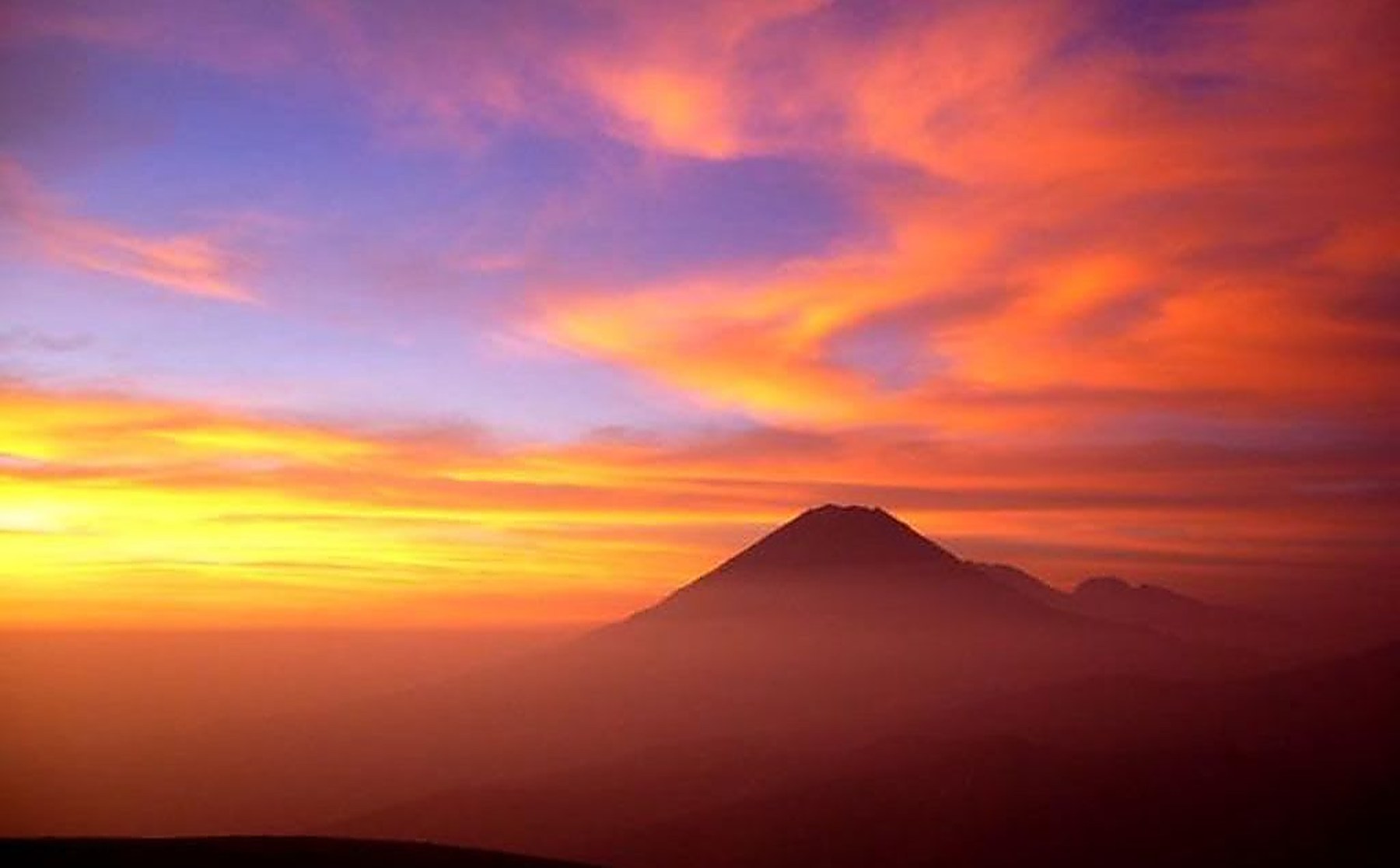
Peru's seasons are reversed compared to Europe, and even more so between its own regions: the coast is sunny from December to March, while the Andes are in the rainy season.
| City | Jan | Feb | Mar | Apr | May | Jun | Jul | Aug | Sep | Oct | Nov | Dec | |
|---|---|---|---|---|---|---|---|---|---|---|---|---|---|
| Trujillo | Temp. min/max | 19/30 | 20/30 | 20/31 | 19/29 | 17/24 | 16/24 | 15/22 | 15/22 | 15/22 | 15/23 | 16/23 | 17/24 |
| Rainfall | 6 | 2 | 5 | 2 | 0 | 0 | 0 | 0 | 0 | 0 | 0 | 2 | |
| Huaraz | Temp. min/max | 8/18 | 9/17 | 8/17 | 8/18 | 7/18 | 4/20 | 3/20 | 4/22 | 5/22 | 5/20 | 5/19 | 5/19 |
| Rainfall | 104 | 100 | 117 | 66 | 18 | 1 | 1 | 5 | 14 | 48 | 43 | 62 | |
| Lima | Temp. min/max | 19/26 | 19/26 | 19/26 | 17/24 | 15/22 | 13/20 | 12/19 | 11/19 | 12/20 | 12/20 | 16/23 | 16/24 |
| Rainfall | 0 | 0 | 0 | 0 | 2 | 4 | 5 | 6 | 5 | 2 | 1 | 0 | |
| Arequipa | Temp. min/max | 8/25 | 8/25 | 8/22 | 7/22 | 6/22 | 5/22 | 4/20 | 5/20 | 6/22 | 6/23 | 6/23 | 8/23 |
| Rainfall | 17 | 20 | 15 | 5 | 1 | 0 | 0 | 0 | 0 | 0 | 0 | 8 | |
| Puno | Temp. min/max | 7/17 | 7/17 | 7/17 | 6/17 | 5/18 | 4/16 | 4/16 | 4/17 | 5/18 | 5/19 | 5/19 | 6/18 |
| Rainfall | 87 | 69 | 59 | 36 | 4 | 1 | 1 | 9 | 10 | 24 | 27 | 42 | |
| Cuzco | Temp. min/max | 7/19 | 7/19 | 6/19 | 5/20 | 3/20 | 1/20 | 1/18 | 2/18 | 5/20 | 6/21 | 6/20 | 7/20 |
| Rainfall | 108 | 78 | 79 | 23 | 4 | 4 | 3 | 8 | 11 | 27 | 47 | 76 | |
| Puerto Maldonado | Temp. min/max | 21/31 | 20/31 | 20/31 | 20/31 | 19/30 | 18/30 | 18/27 | 18/28 | 19/30 | 20/32 | 21/32 | 22/31 |
| Rainfall | 215 | 209 | 167 | 99 | 52 | 32 | 27 | 30 | 58 | 110 | 147 | 199 | |
| Iquitos | Temp. min/max | 22/32 | 22/32 | 22/32 | 22/31 | 22/31 | 21/31 | 20/30 | 20/31 | 21/32 | 21/32 | 21/32 | 22/32 |
| Rainfall | 280 | 225 | 276 | 303 | 269 | 201 | 182 | 168 | 190 | 241 | 262 | 291 |
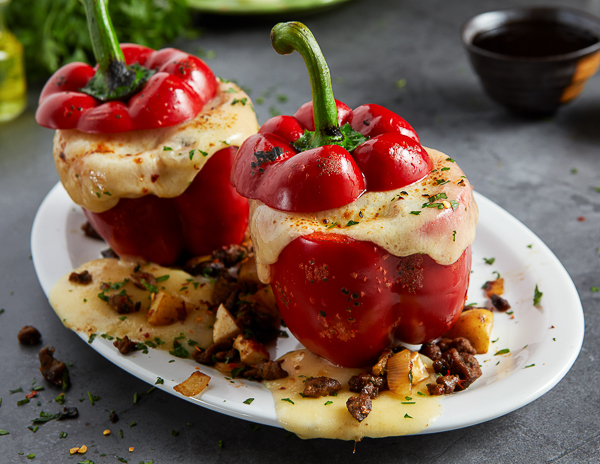
Peru is renowned for its cuisine, which blends pre-Columbian, Spanish, African, Chinese and Japanese influences.
Cheap snacks: tamales, anticuchos, empanadas. The national spirit is Pisco, served as a Pisco Sour.
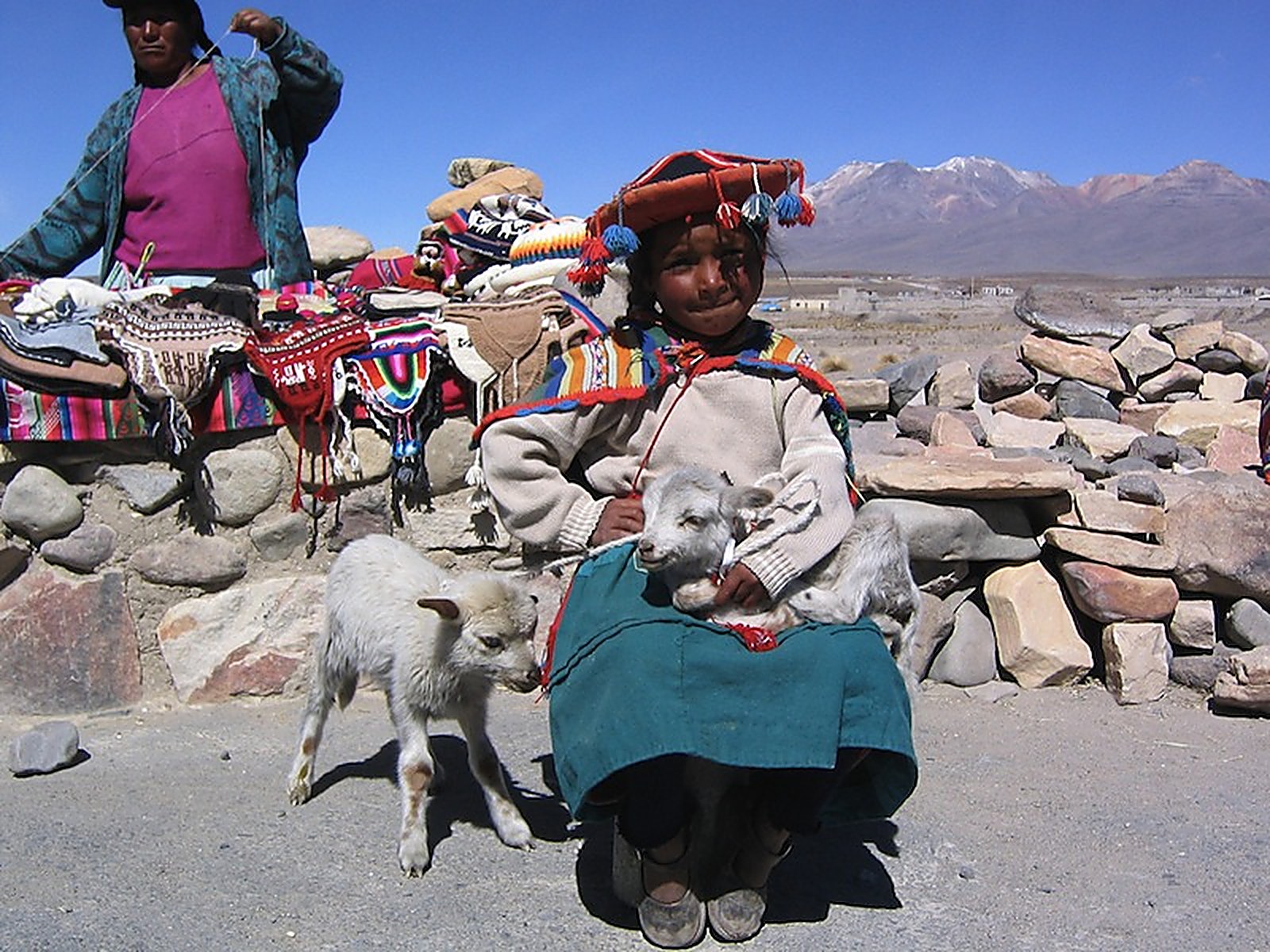
Peru's currency is the nuevo sol (S/.); the US dollar is also widely accepted.
With Paprika Tours, your expenses on the ground are mainly limited to meals (except on full-board itineraries) and souvenirs.
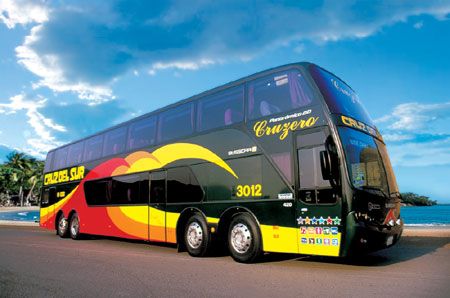
Mobile phone signal covers towns but is still incomplete in rural areas and on roads (country code: +51). Internet and Wi-Fi are available in almost all partner establishments.
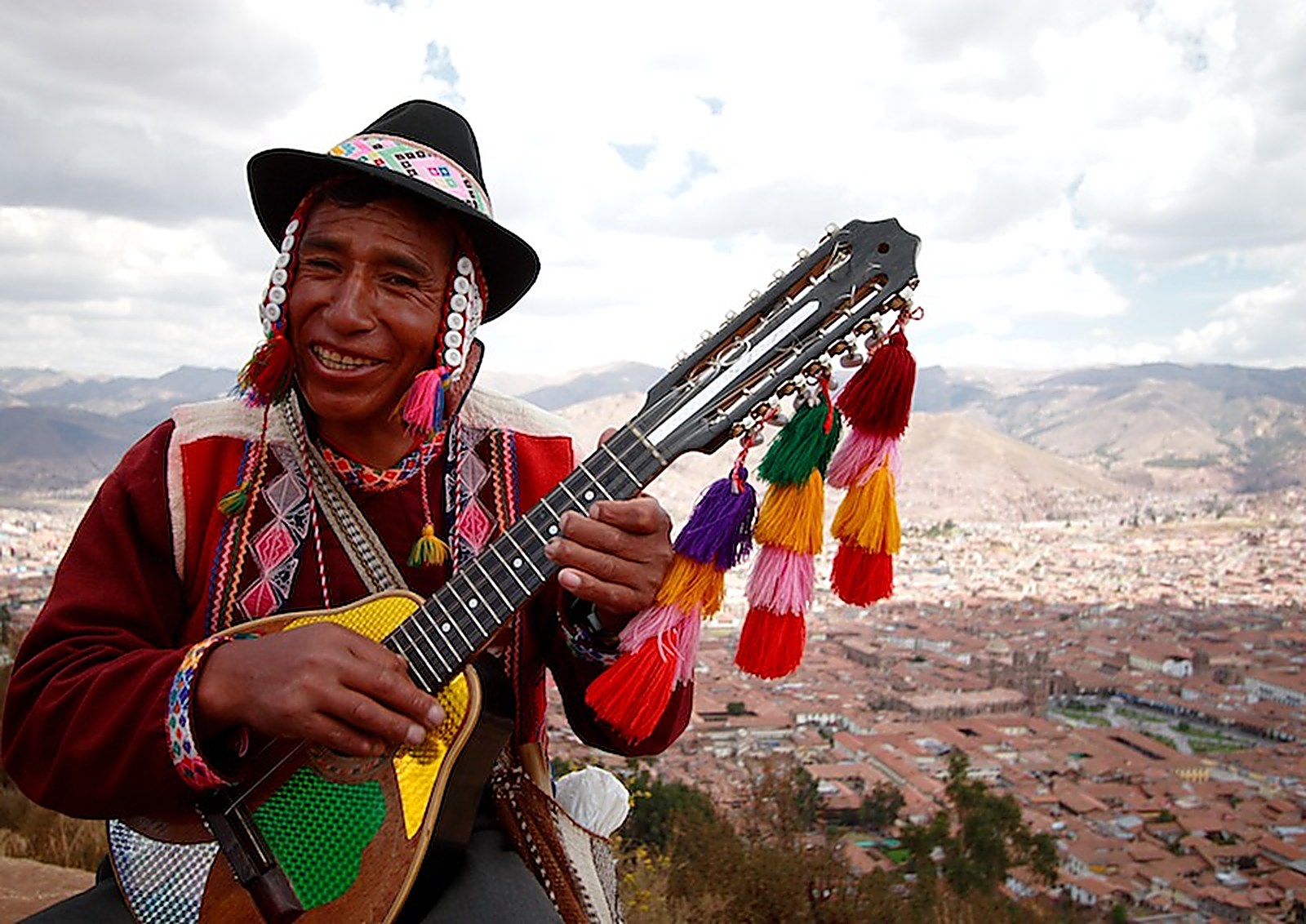
What should you pack? Peru's climate is very varied, so bring clothing for all seasons, as nights are cool at altitude.
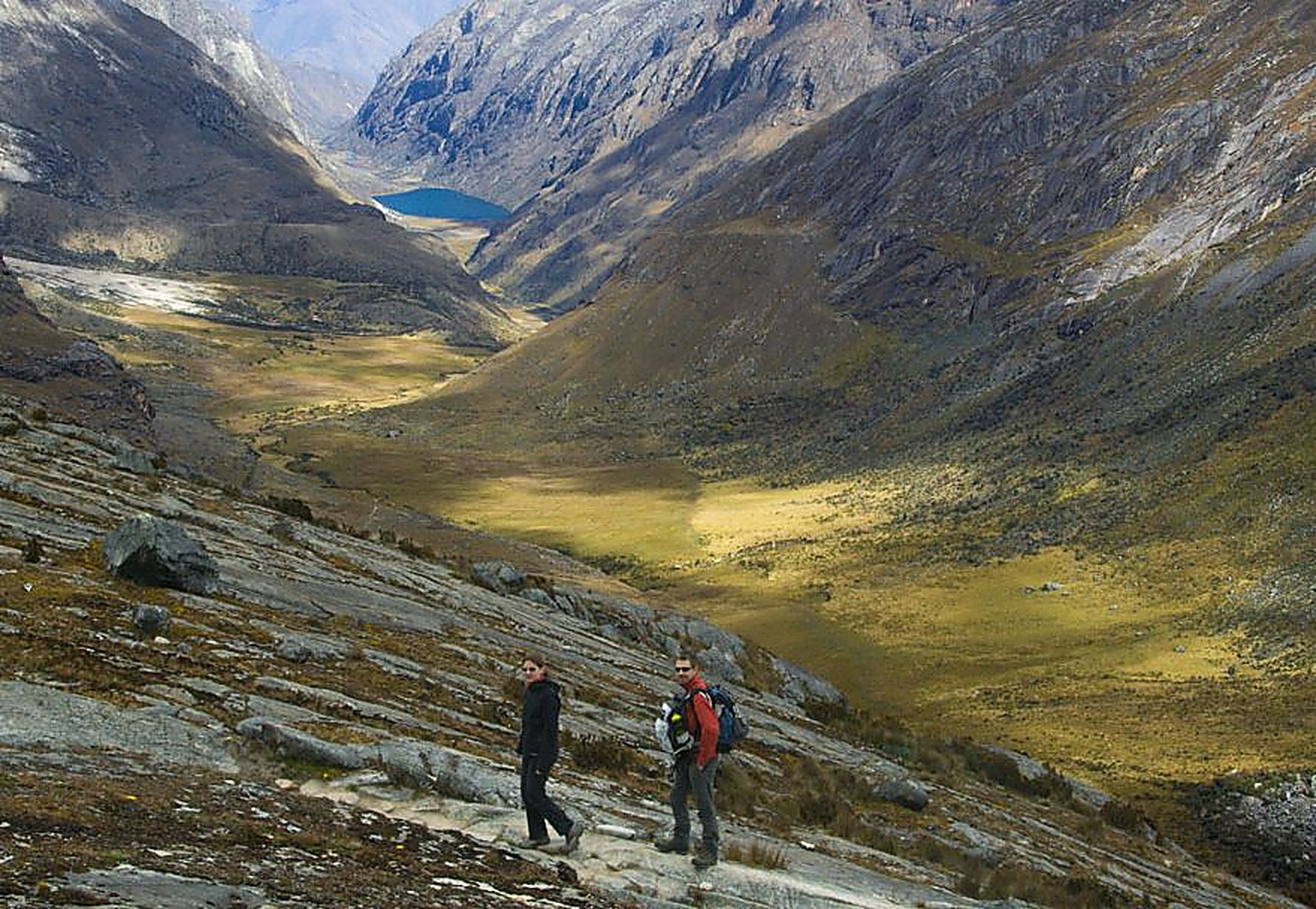
Many Peruvian towns are above 3,000 m in altitude; a prior medical check-up is recommended for anyone with cardiovascular or respiratory conditions.
In a small French-speaking group or on a tailor-made trip built just for you, our team on the ground supports you from your first message until your return.