
 Recommended by
Le Routard & Le Petit Futé
Recommended by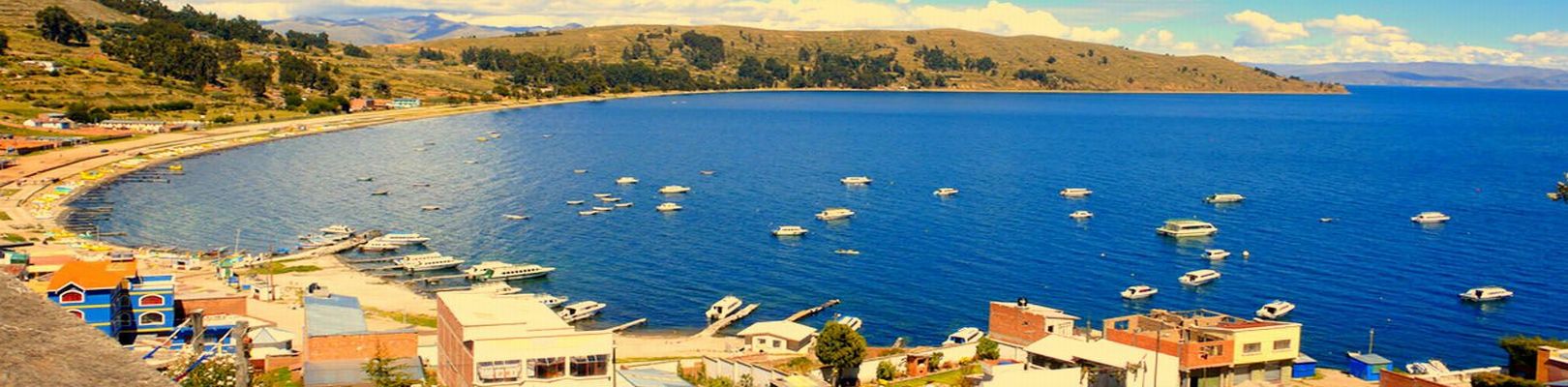
Take advantage of free moments during our private trips to stroll around town, do some shopping or discover a restaurant. Here's the essential info on geography, climate, gastronomy, money, expenses on the ground, transport, packing and health — click a tab to open it.
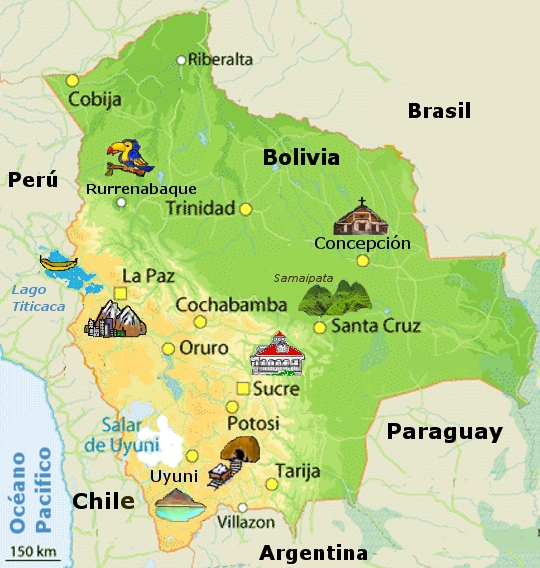
Bolivia is made up of three main geographical areas:
Time difference: GMT-4H (-6H compared to France from April to October, -5H from November to March; 1h ahead of Peru). The country is considered relatively safe with the usual precautions.
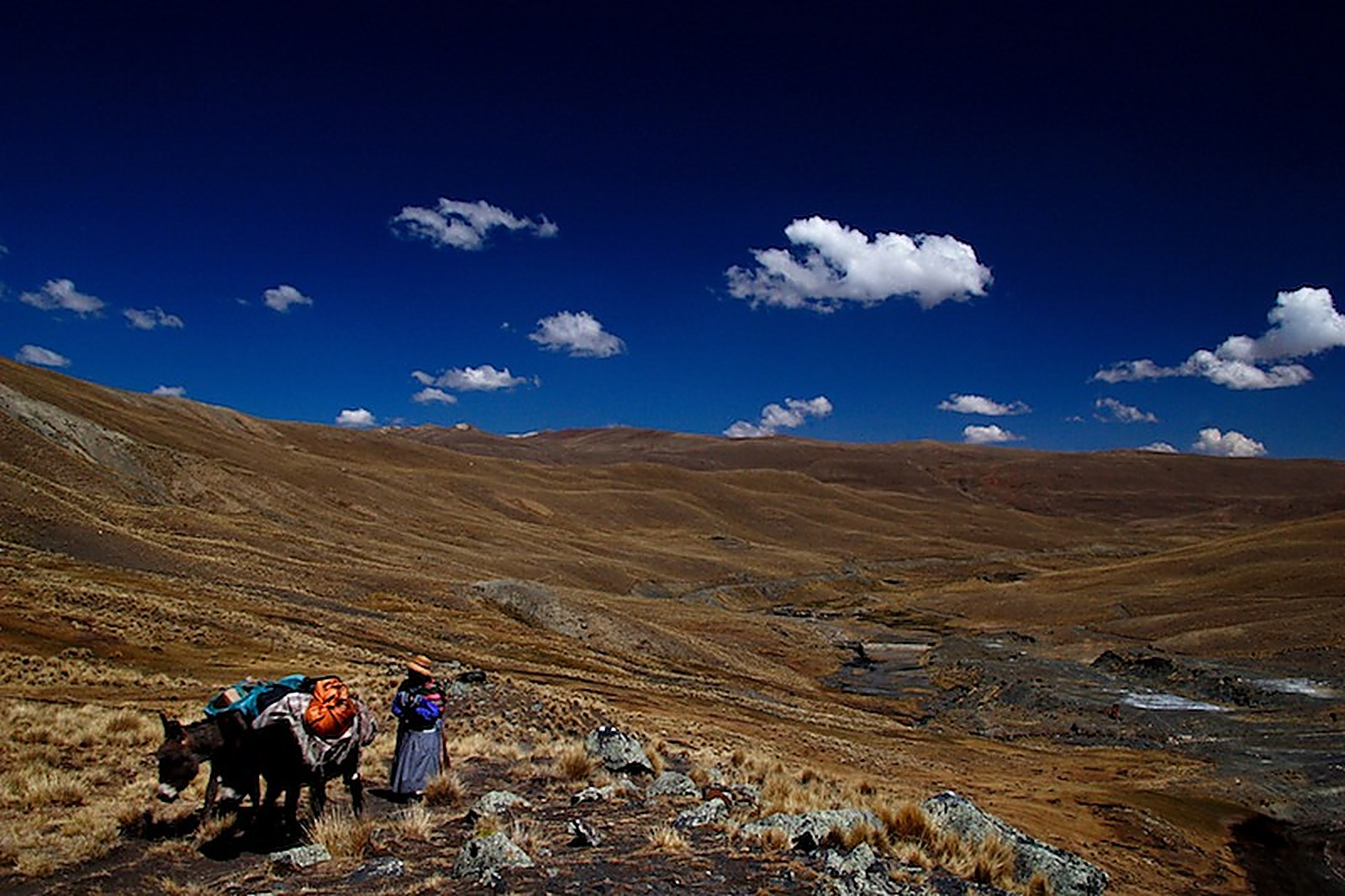
Southern hemisphere, seasons reversed: the austral summer (December-March) is the rainy season, winter (June-September) the dry season. Climate depends closely on altitude and region.
| City | Jan | Feb | Mar | Apr | May | Jun | Jul | Aug | Sep | Oct | Nov | Dec | |
|---|---|---|---|---|---|---|---|---|---|---|---|---|---|
| La Paz | Temp. min/max | 6/18 | 6/18 | 6/18 | 5/18 | 4/17 | 3/17 | 3/16 | 4/17 | 5/18 | 5/19 | 6/19 | 6/18 |
| Rainfall | 117 | 93 | 74 | 29 | 11 | 5 | 5 | 11 | 31 | 34 | 45 | 87 | |
| Sucre | Temp. min/max | 11/22 | 11/22 | 10/22 | 9/22 | 7/21 | 5/21 | 4/21 | 6/22 | 8/23 | 9/24 | 10/24 | 11/23 |
| Rainfall | 140 | 116 | 105 | 37 | 7 | 2 | 3 | 10 | 24 | 50 | 65 | 118 | |
| Potosí | Temp. min/max | 5/17 | 5/17 | 4/17 | 1/17 | -1/16 | -4/14 | -4/14 | -2/16 | 0/17 | 3/19 | 4/19 | 5/19 |
| Rainfall | 87 | 72 | 58 | 16 | 2 | 1 | 0 | 4 | 10 | 19 | 26 | 76 | |
| Tarija | Temp. min/max | 14/27 | 14/27 | 13/26 | 10/25 | 7/24 | 3/22 | 2/24 | 4/25 | 7/27 | 11/27 | 12/27 | 14/27 |
| Rainfall | 137 | 126 | 78 | 34 | 4 | 1 | 1 | 4 | 17 | 43 | 66 | 138 | |
| Rurrenabaque | Temp. min/max | 22/32 | 22/32 | 21/32 | 20/31 | 18/30 | 17/29 | 16/28 | 17/30 | 18/31 | 20/33 | 20/32 | 21/32 |
| Rainfall | 270 | 335 | 260 | 158 | 115 | 115 | 84 | 70 | 66 | 121 | 193 | 255 | |
| Santa Cruz | Temp. min/max | 21/31 | 21/31 | 20/31 | 18/29 | 17/27 | 15/25 | 15/26 | 16/28 | 18/30 | 20/31 | 21/32 | 21/32 |
| Rainfall | 203 | 107 | 89 | 63 | 66 | 48 | 37 | 25 | 46 | 81 | 98 | 139 |
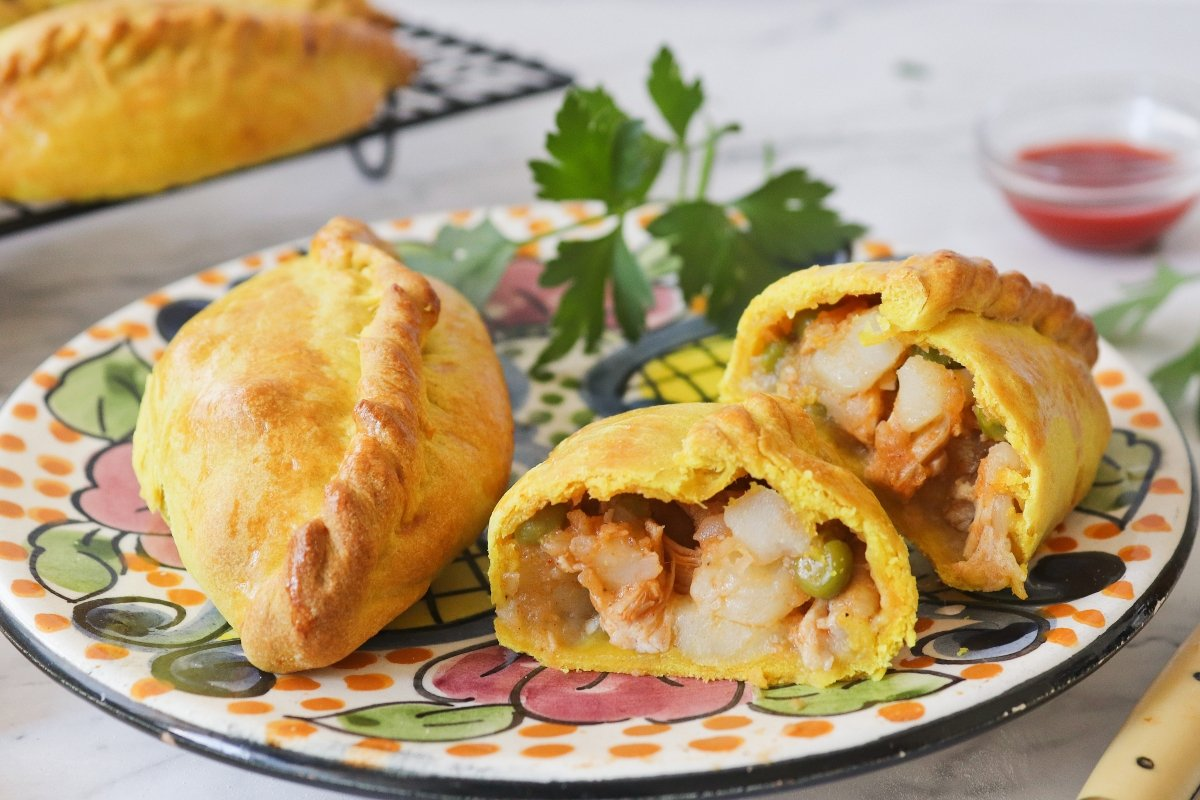
Bolivia isn't the continent's culinary reference point but has its own specialities.
Trout and pejerrey are especially popular around Lake Titicaca. Local beers by city: Paceña (La Paz), Huari (Oruro), Sureña (Sucre). The Tarija region produces well-regarded wines as well as singani, a grape spirit equivalent to Peruvian pisco.
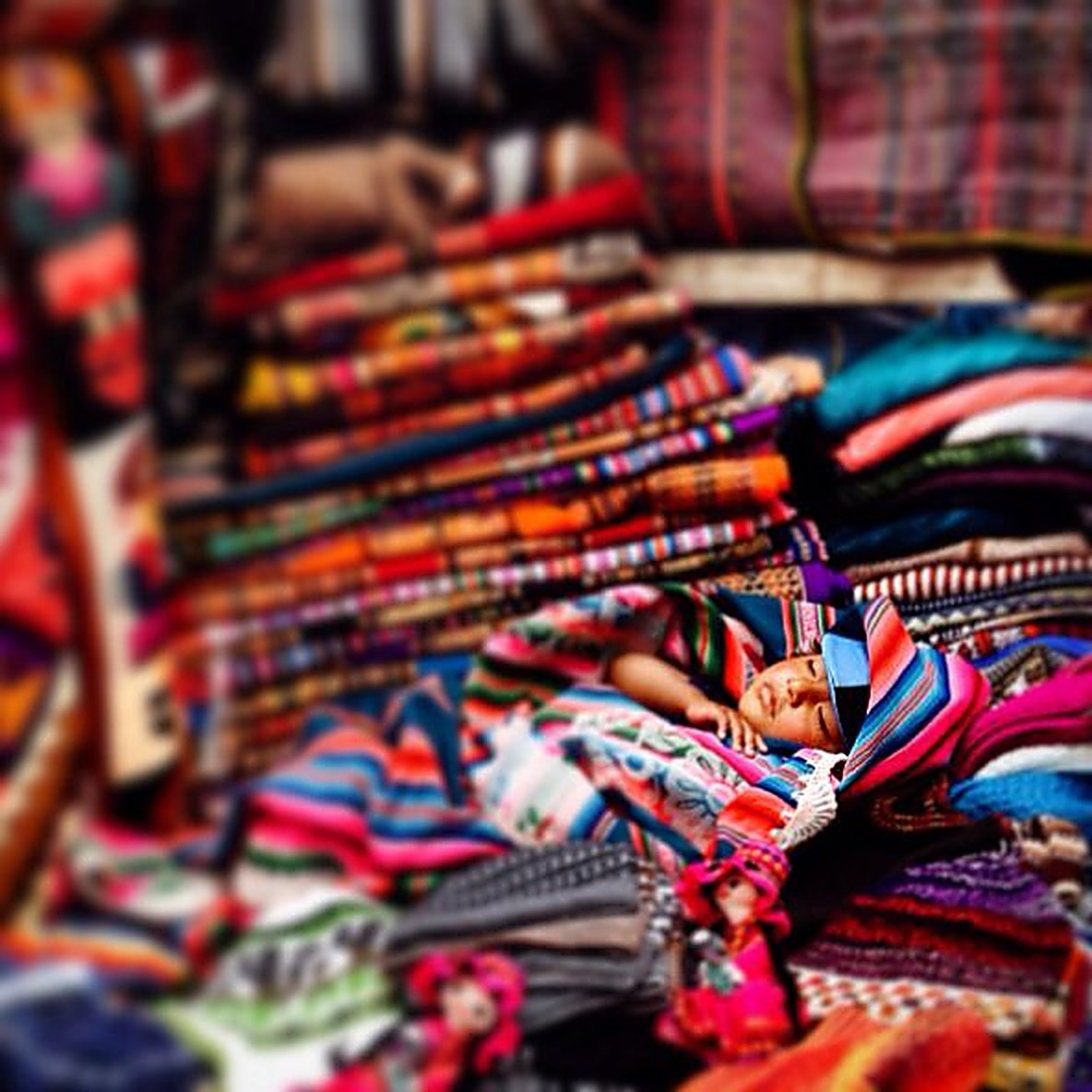
Bolivia's currency is the boliviano (Bs); US dollars are sometimes accepted but are best exchanged at a bureau de change.
With Paprika Tours, your expenses on the ground are mainly limited to meals (except group trips, where these are included) and a few souvenirs.
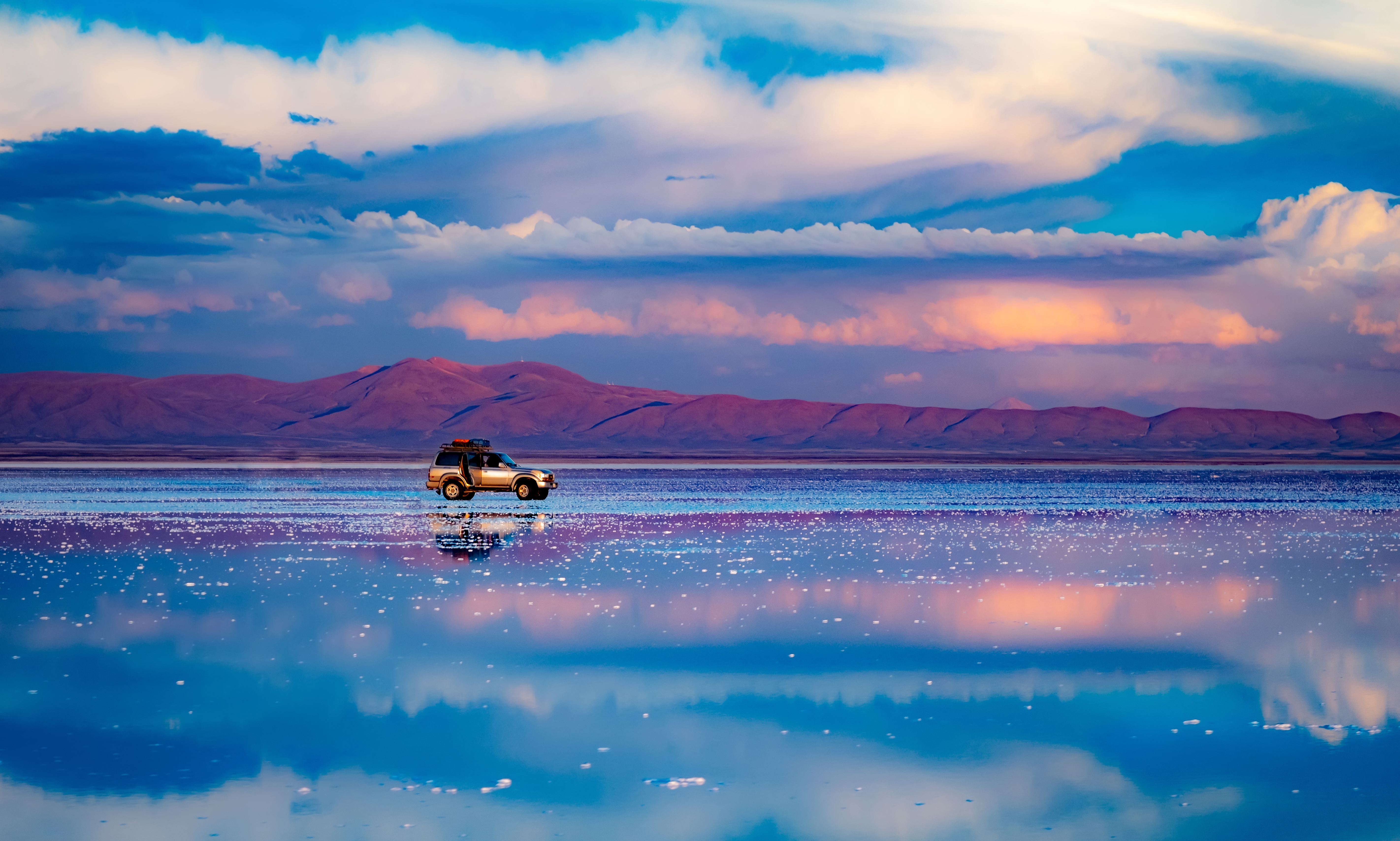
Mobile phone signal covers towns but remains incomplete in rural areas (country code: +591). Internet and Wi-Fi are available at most partner establishments. Distances are large and not all roads are paved yet, particularly in the south (Uyuni region).
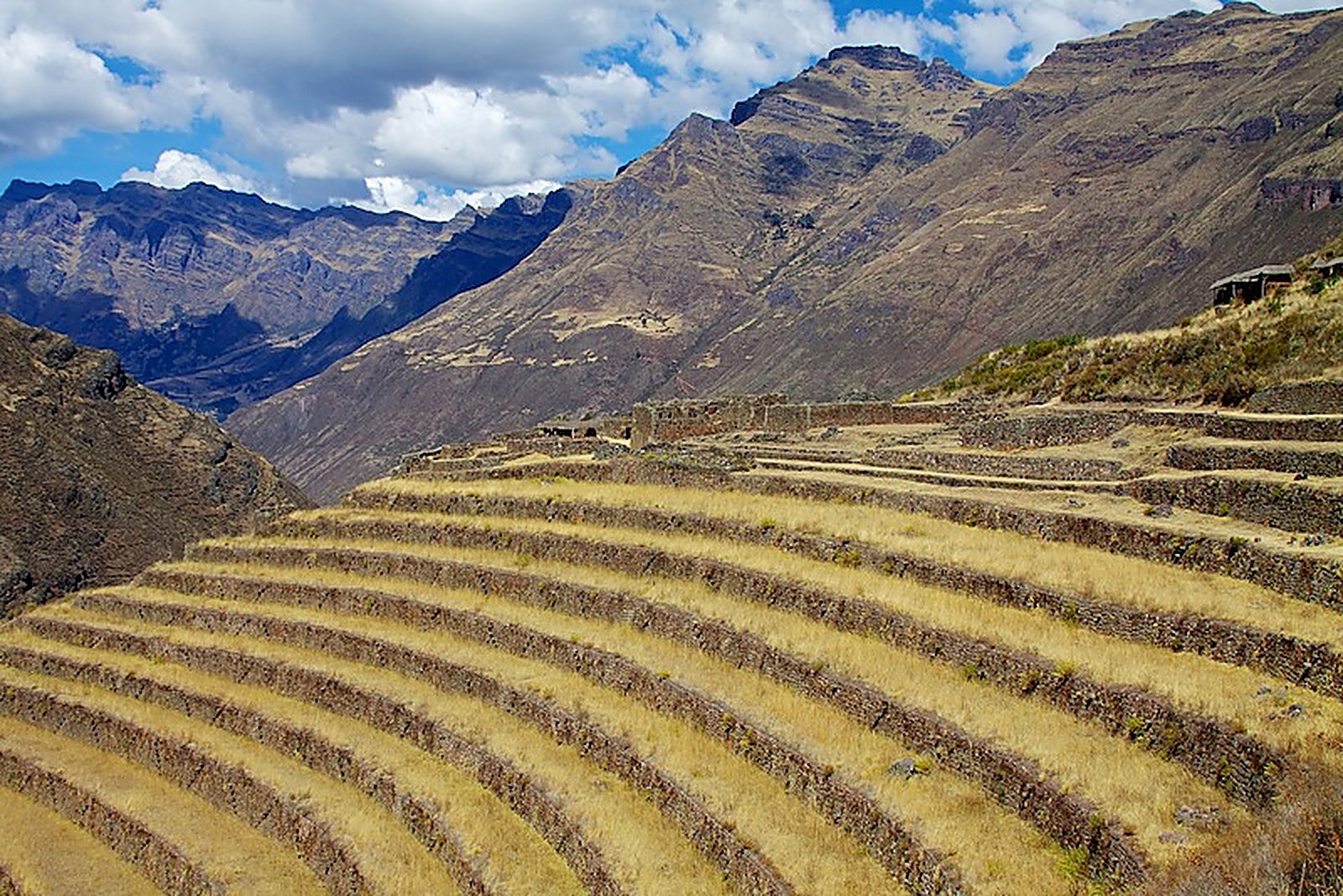
What should you pack? It depends on your itinerary: warm clothing for the Andes (La Paz, Uyuni, Potosi, Copacabana) and lighter but covering clothing (against mosquitoes) for the Amazon, Santa Cruz or Tarija.
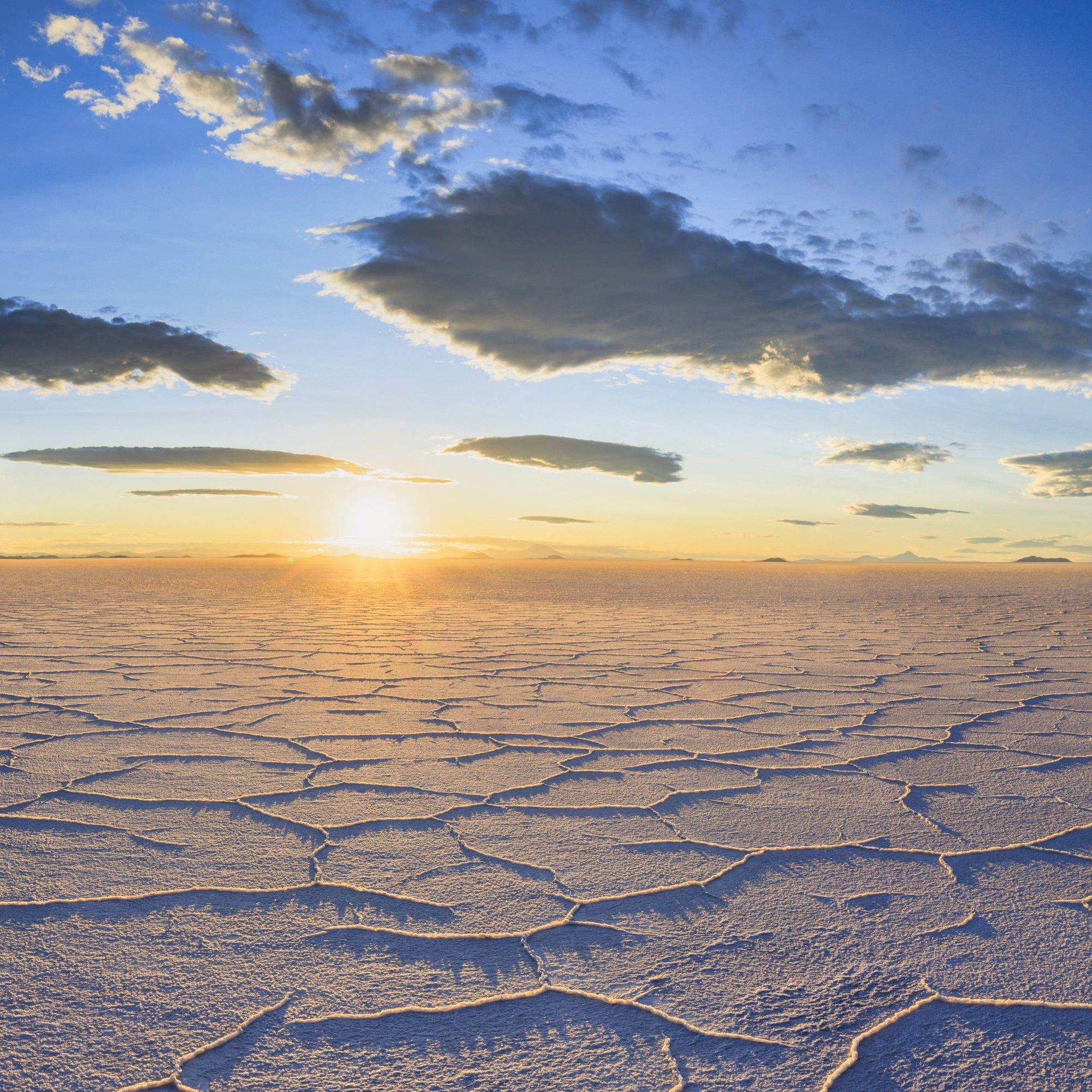
Many Bolivian towns are above 3,000 m in altitude — La Paz: 3,600 m, Uyuni: 3,650 m, Potosi: 4,000 m, Sucre: 2,850 m, Copacabana: 3,800 m. A prior medical check-up is recommended for anyone with cardiovascular or respiratory conditions.
In a small French-speaking group or on a tailor-made trip built just for you, our team on the ground supports you from your first message until your return.