

 Recommended by
Le Routard & Le Petit Futé
Recommended by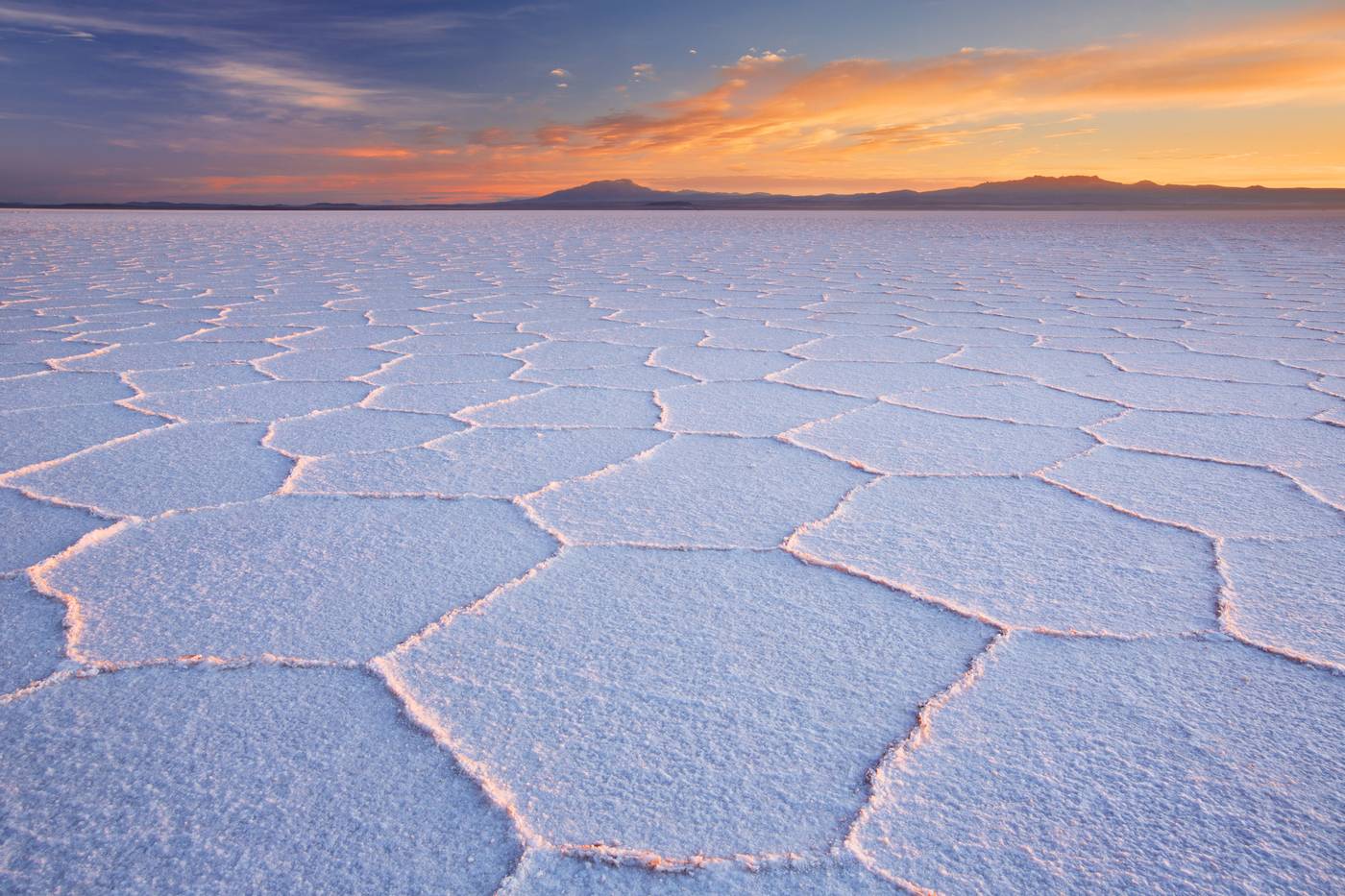
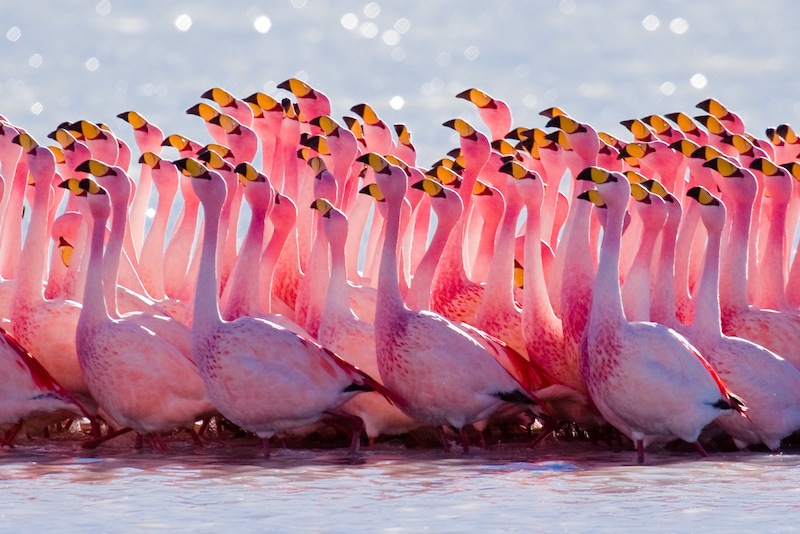
Bolivia is South America's most exotic and surprising country: nearly twice the size of France, with barely 11 million inhabitants, it is a land of vast open spaces, still largely untouched by organized tourism. Traveling here - on the altiplano or in the tropical forest - still feels like an adventure, with the unexpected always lurking around the corner.
You can travel to Bolivia at any time of year; the two main factors to weigh are climate and tourist numbers.
Bolivia is located in the southern hemisphere, so its seasons are reversed compared to the northern hemisphere: winter (June to September) is dry and sunny, while summer (December to March) is the rainy season. Summer rains can partially flood the Salar de Uyuni, making Incahuasi Island unreachable - but the flooded salt flat then offers the magnificent, almost surreal spectacle of a giant mirror. For rainfall and temperature tables by city and month, see our Climate in Bolivia page.
Tourist numbers matter too: low season falls during the rainy months of December to February, though a growing number of visitors from neighboring Chile, Argentina and Brazil partly offset this. The high season mainly corresponds to the dry season, from April to October, with March and November as shoulder months.
Traveling December to February (or into March) means low season (though tourism in Bolivia is not very developed to begin with) and milder nights, an advantage at altitude - but higher rainfall, so not ideal for trekking. From April to October, expect much drier, sunnier weather, though nights turn colder, particularly June to August.
If you have any other questions about when to travel to Bolivia, or about our Bolivia trips, contact us!
With a tailor-made trip designed just for you, our team on the ground supports you from your first message until your return home.