

 Recommended by
Le Routard & Le Petit Futé
Recommended by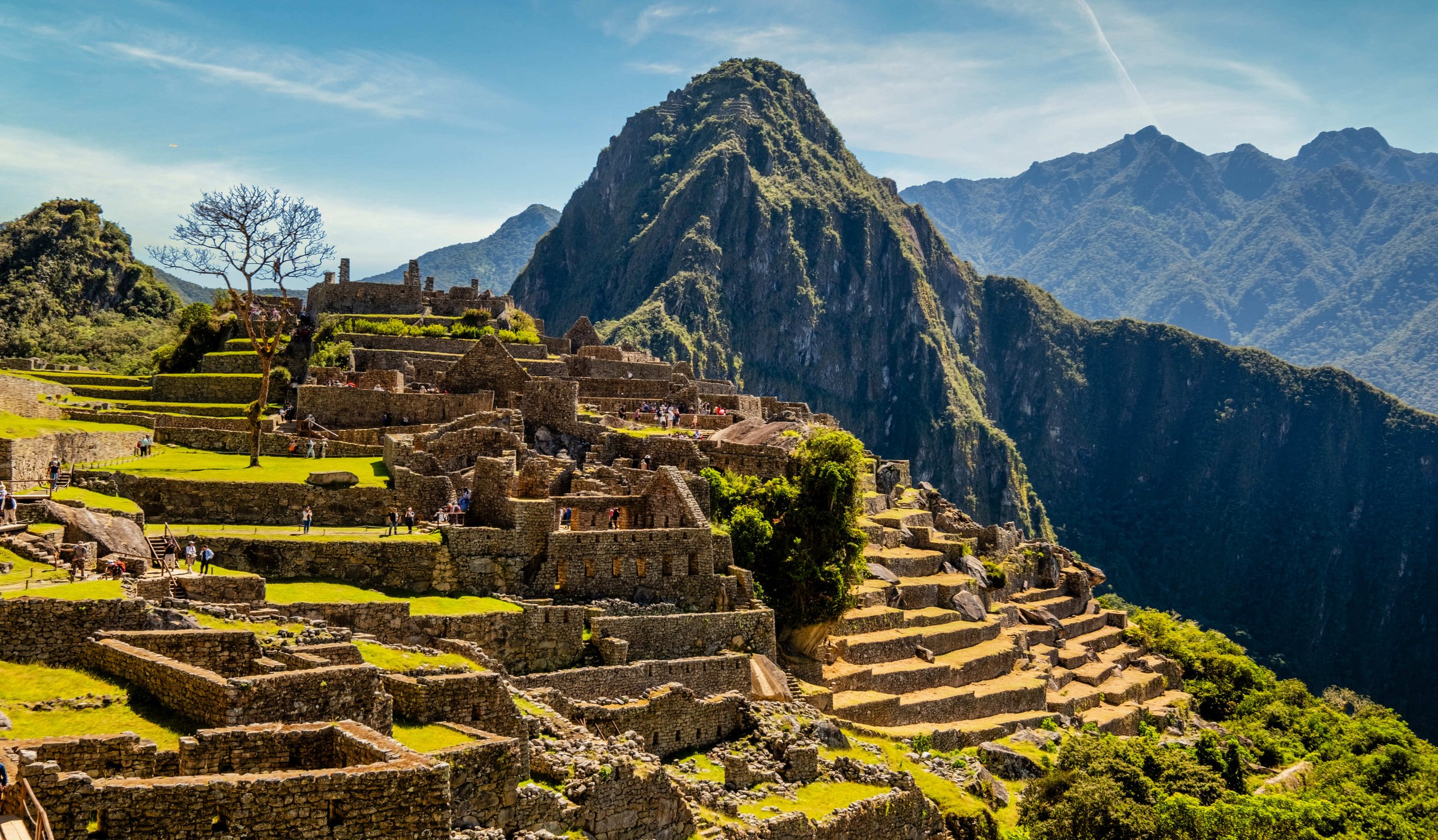
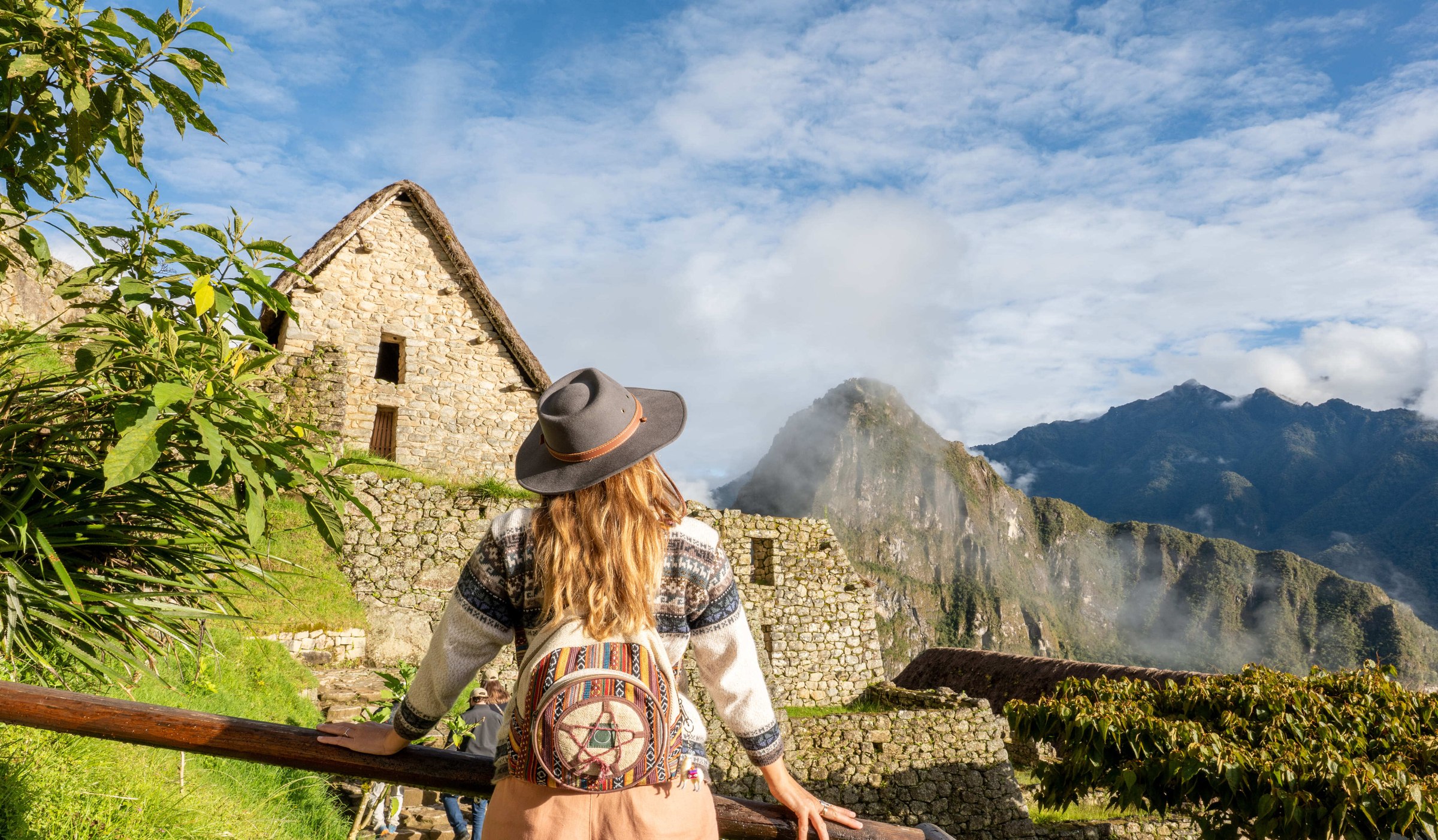
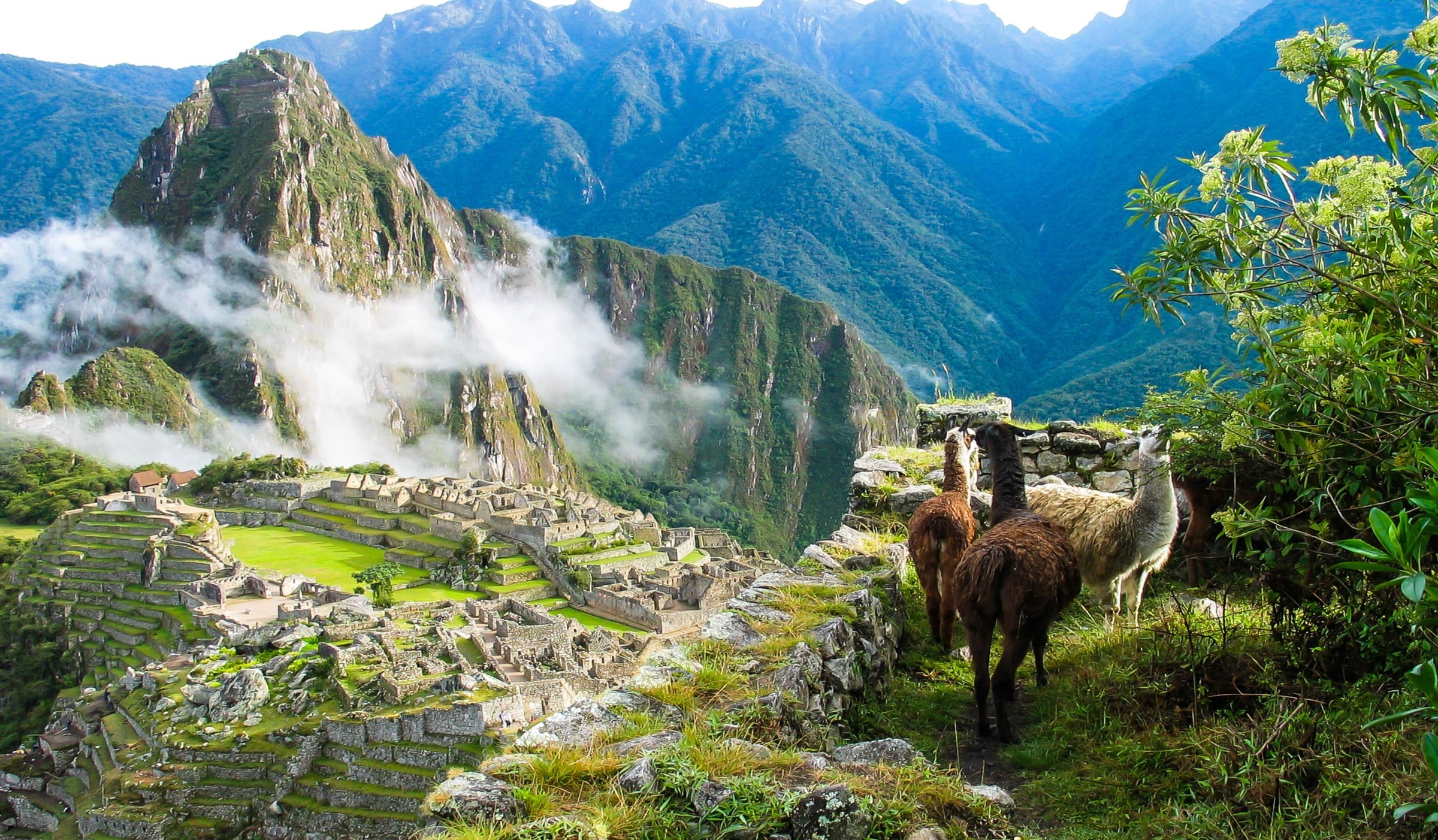
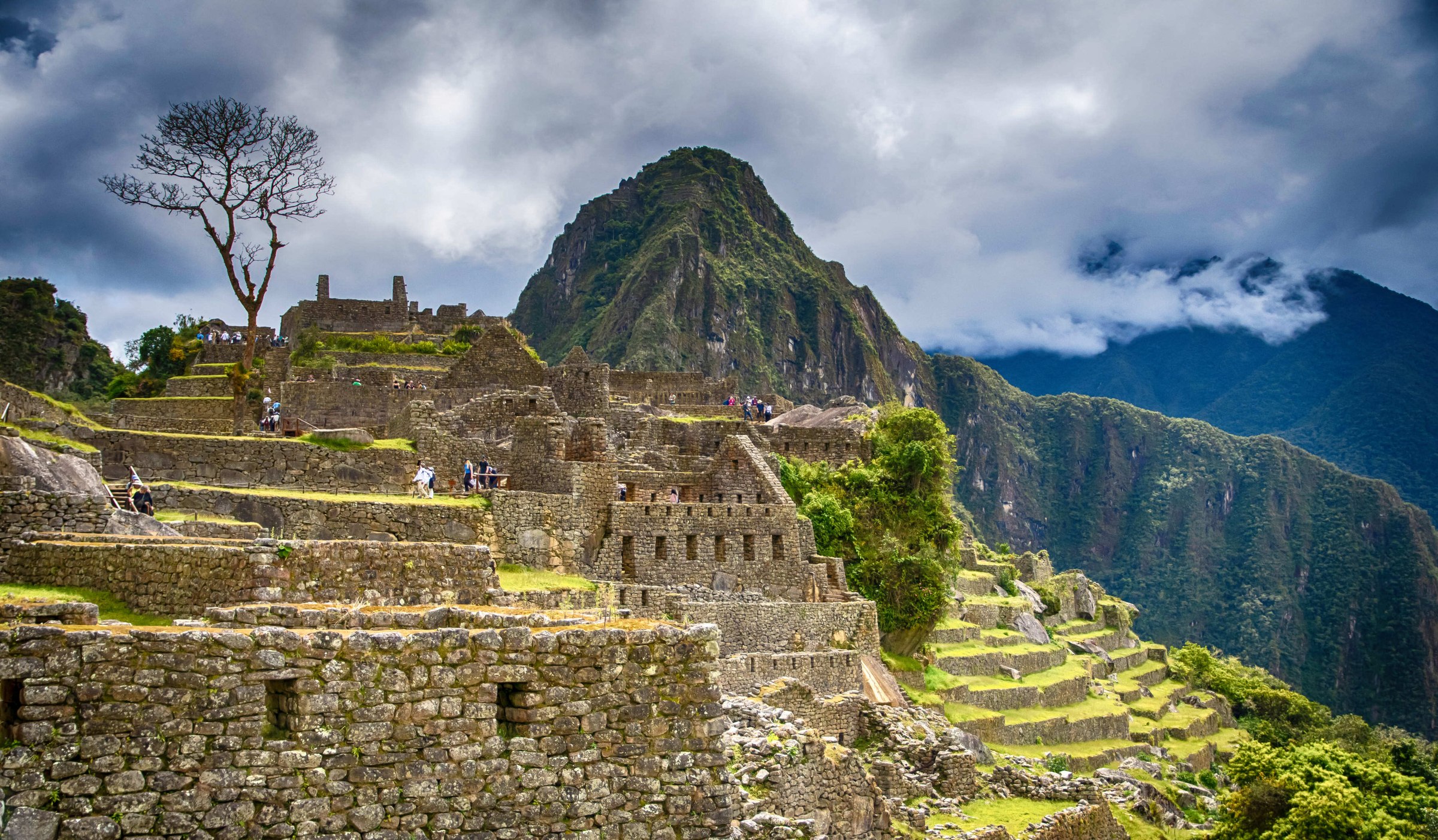
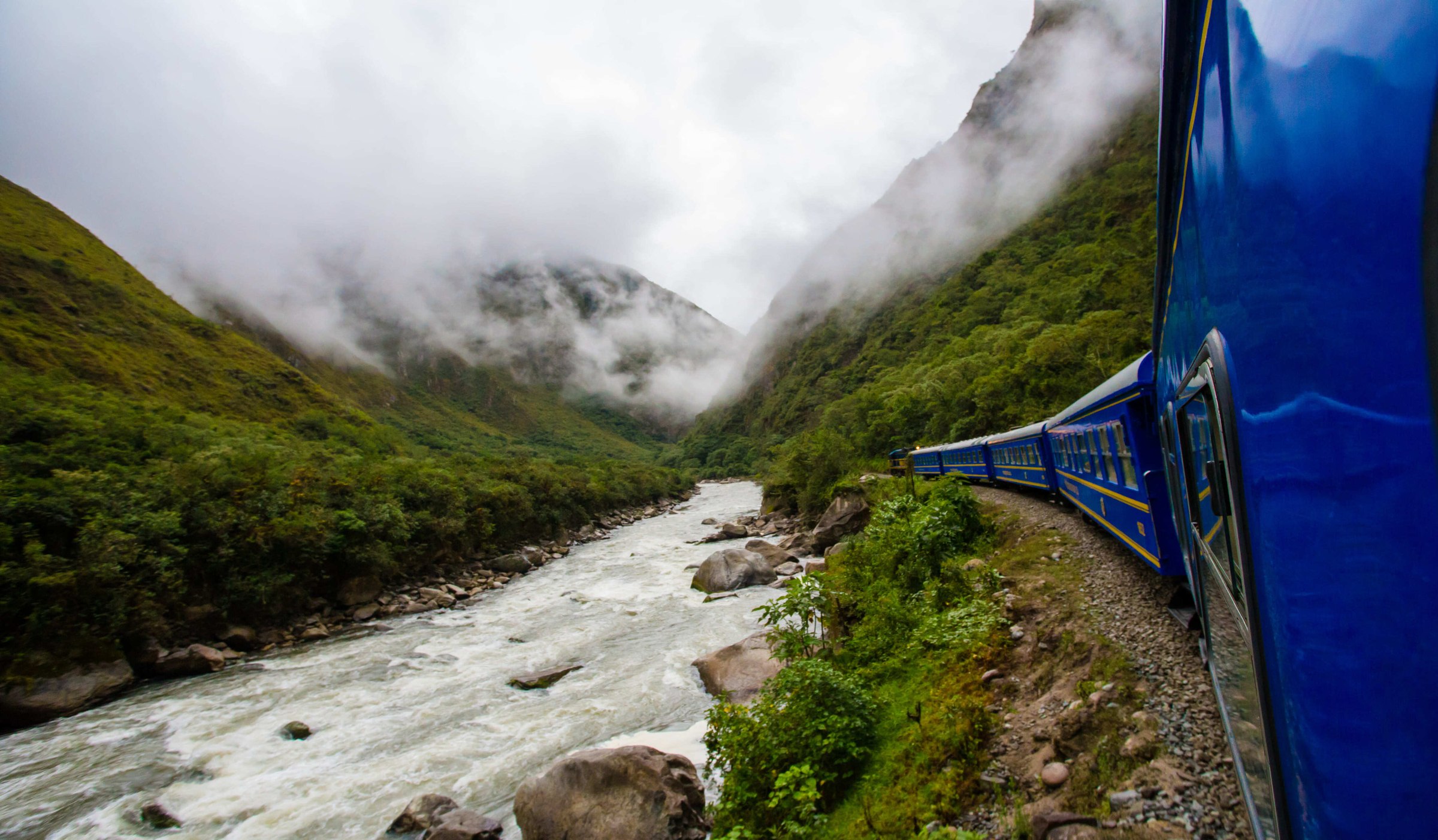
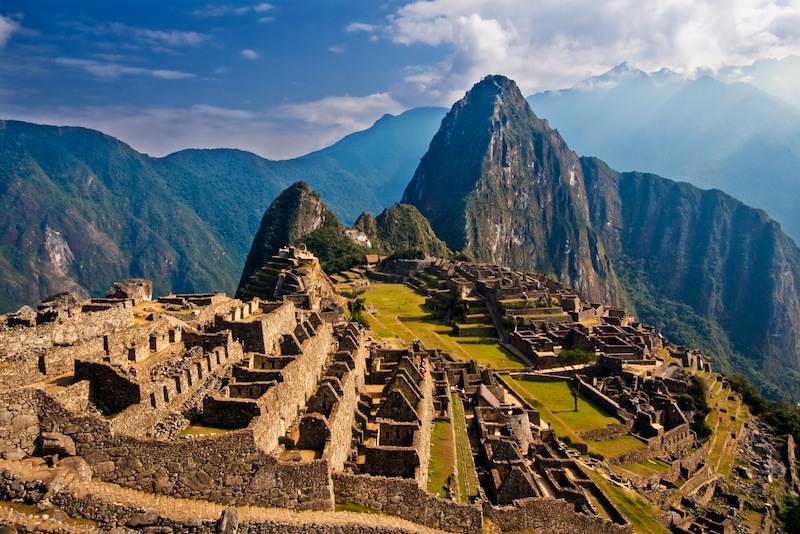
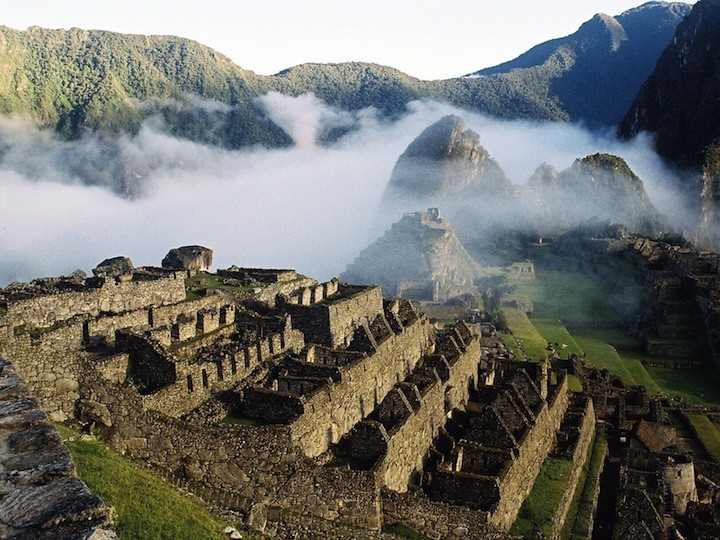
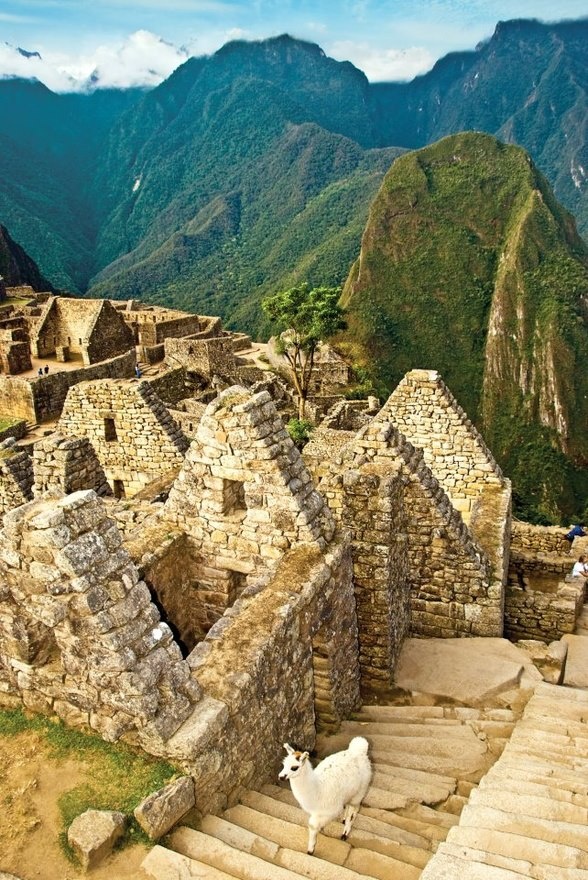
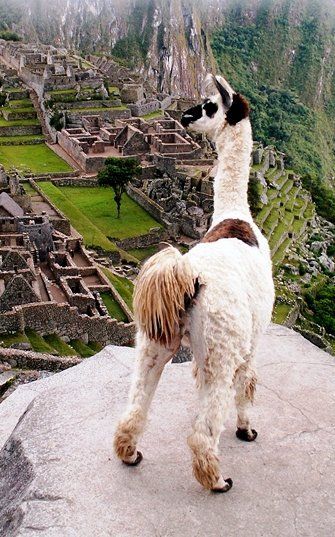
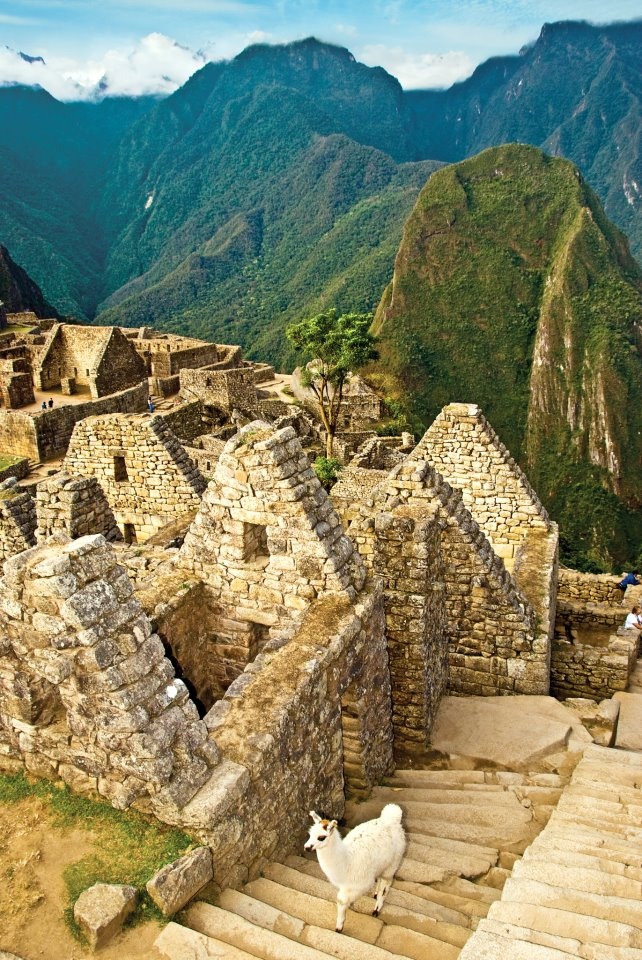
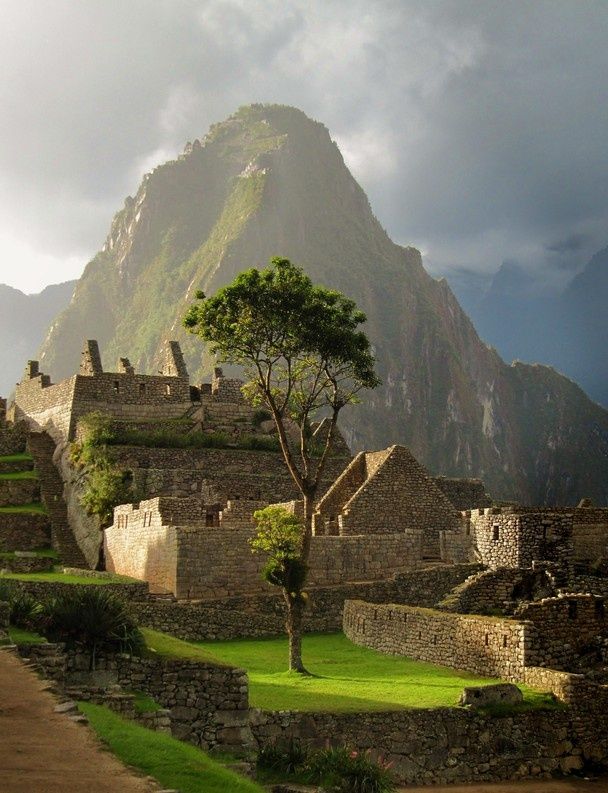
An unmissable visit and the undisputed highlight of any trip to Peru, Machu Picchu is truly an extraordinary site. We don't normally like to overuse superlatives, but this time the adjective is well deserved. What makes it so special is undoubtedly the combination (or multiplication?) of the beauty of the archaeological site and that of the natural setting, as well as the landscapes crossed to get there, whether by train or on foot.
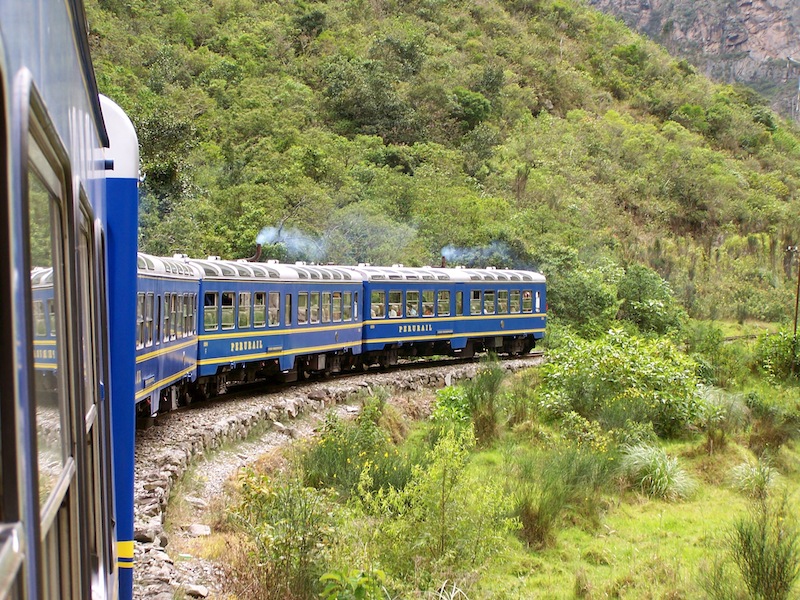
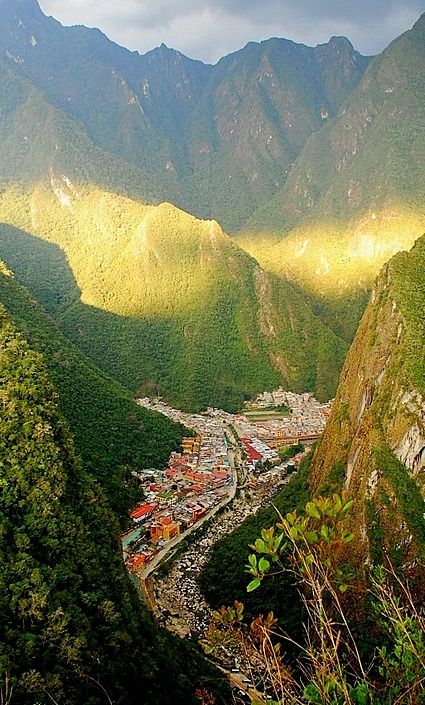
It is traditionally reached by train from the village of Ollantaytambo in the Sacred Valley of the Incas or from Poroy station, near Cuzco. The journey takes an hour and a half from Ollantaytambo and three and a half hours from Poroy. From Ollantaytambo, the train winds through an impressive landscape. The gorge through which the Urubamba River flows gradually narrows, until you arrive at Aguas Calientes, a village surrounded on all sides by almost vertical rock walls several hundred meters high.
From there, you leave the train to take a shuttle bus that climbs along a dizzying road through the high-altitude tropical forest. After about twenty minutes of ascent, you finally arrive at Machu Picchu.
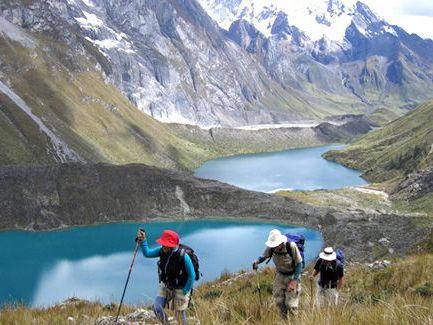
The other way to reach Machu Picchu is on foot. The Inca Trail trek ends with the arrival at Machu Picchu through the Sun Gate (Inti Punku) on the morning of the fourth day. To complete this trek, you need to be in good physical condition, as it reaches altitudes of over 4,000 meters and elevation gains of up to 1,200 meters per day. Since the number of people allowed on this trek is limited, availability often fills up several months in advance.
An alternative is the Salkantay trek, which reaches Aguas Calientes after 4 days of walking through the mountain range. The visit to Machu Picchu takes place on the fifth day.
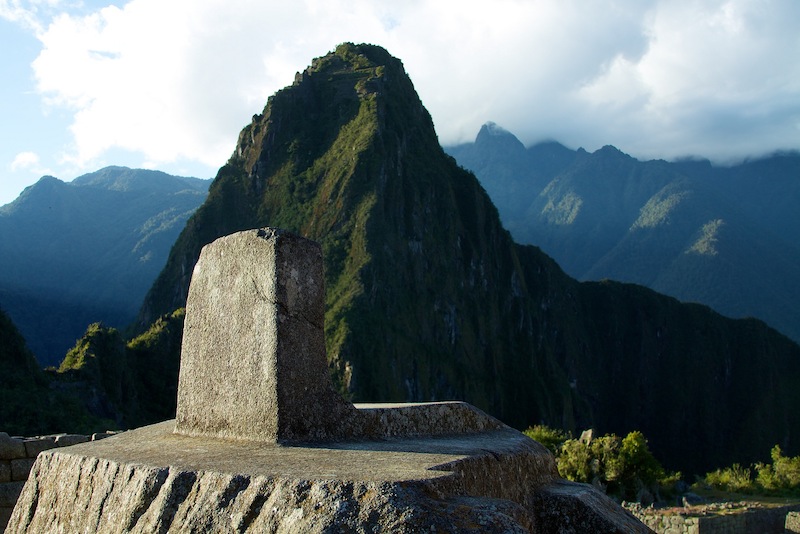
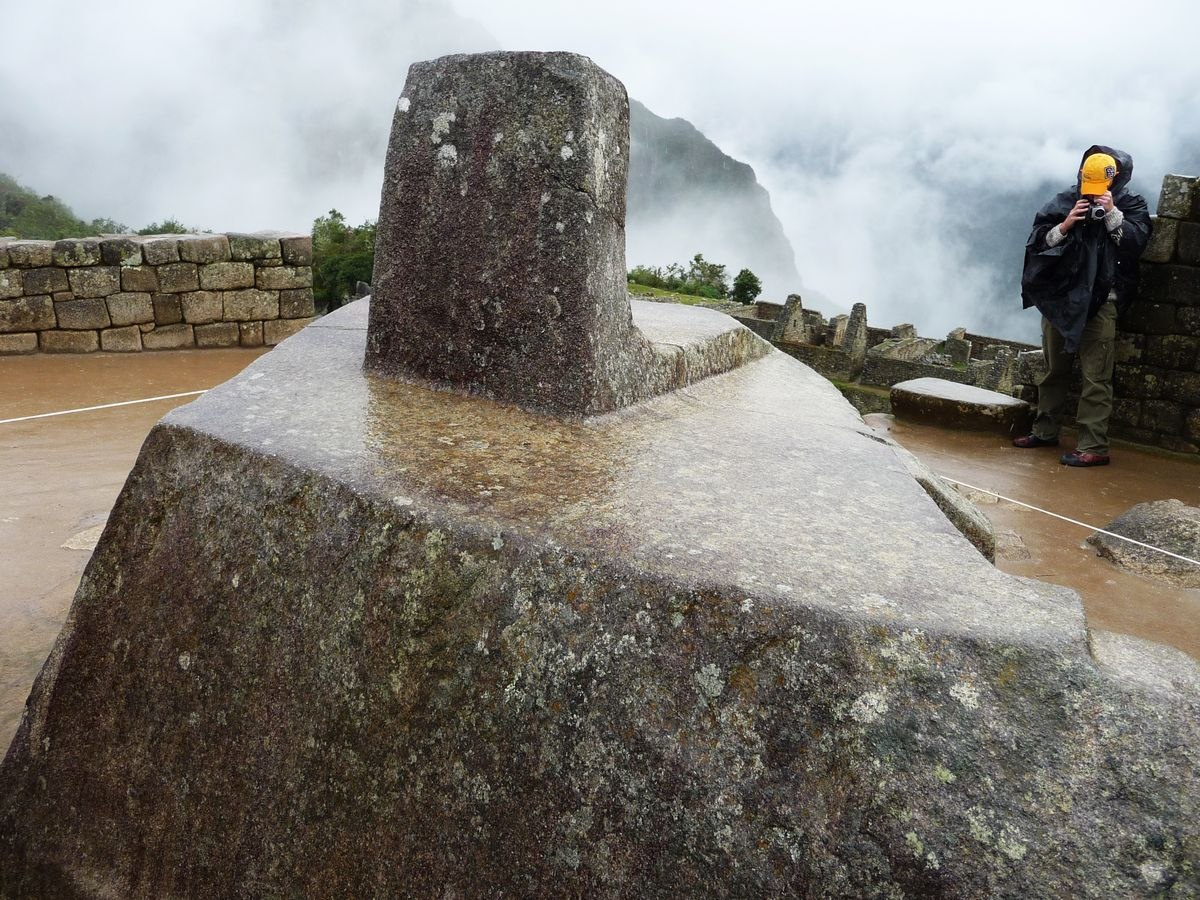
A visit to the main site takes about 2 hours at a relaxed pace, which is also the length of guided tours. The must-see highlights are undoubtedly the Intiwatana and the Temple of the Sun.
But you can also spend more time on the site and take the opportunity to explore other areas, in particular climbing "Machu Picchu Mountain" or Huayna Picchu.
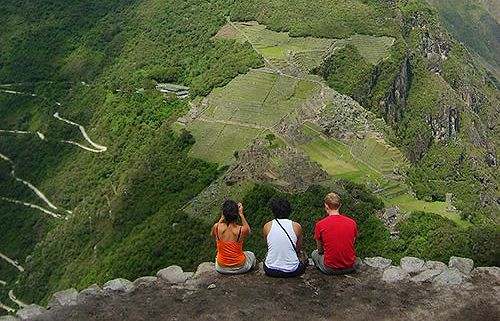
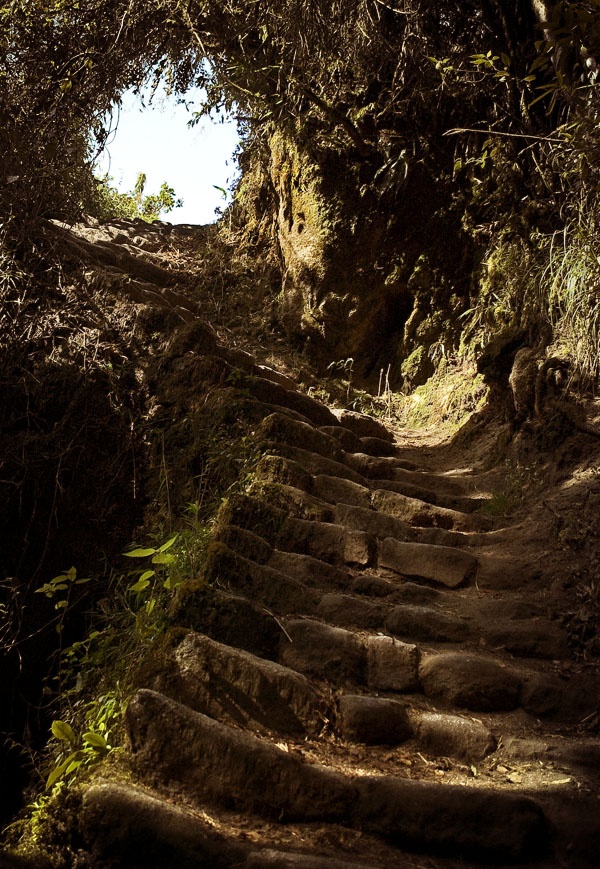
Climbing Huayna Picchu takes about an hour. The climb is very steep and includes sections with staircases carved into the rock by the Incas. At the summit, there are a few minor structures, but the real appeal of the climb lies in the splendid view it offers over Machu Picchu and the Urubamba River nearly 1,000 meters below.
Another option is to climb "Machu Picchu Mountain," a peak similar to Huayna Picchu. Machu Picchu Mountain has no Inca structures and is lower and less well-known than Huayna Picchu. It is therefore less crowded and offers equally spectacular views of Machu Picchu.
If you'd like to take beautiful panoramic photos, you can also head to Inti Punku, the Sun Gate, a former military outpost that controlled access to Machu Picchu along the Inca Trail. It takes about an hour to reach Inti Punku. The climb is gradual and easy and, unlike Huayna Picchu and Machu Picchu Mountain, there is no additional cost.
Finally, if you have more time, you can also visit the Temple of the Moon. Take the path toward Huayna Picchu, then turn left. About 3 hours round trip are needed to discover this temple built into caves, which may have had a function linked to funerary rites.
If you spend a night in Aguas Calientes, visiting the hot springs in the evening, located in the upper part of the village, is - pun intended - warmly recommended.
If you have a few hours during the day, you can visit the Mandor waterfalls, less than an hour's walk away following the railway toward Santa Teresa. The roughly thirty-meter waterfall in the middle of a semi-tropical forest is well worth the walk.
Finally, if you have a taste for adventure, and even frankly a taste for risk, you can attempt the ascent of Putucusi, a peak about 600 meters high, accessed via a dizzying path that includes some sections with ladders. The climb is tiring and sometimes frightening, but those who reach the top enjoy a fantastic and unique viewpoint over Machu Picchu. Allow about 4 hours round trip.
Request a personalized quote for a tailor-made trip to Peru (or Peru Bolivia).
By train:
By road:
On foot:
For more information about these hotels, you can visit the Hotels in Machu Picchu page.
A tailor-made trip designed just for you: our on-the-ground team supports you every step of the way, from your first message until your return home.