
 Recommended by
Le Routard & Le Petit Futé
Recommended by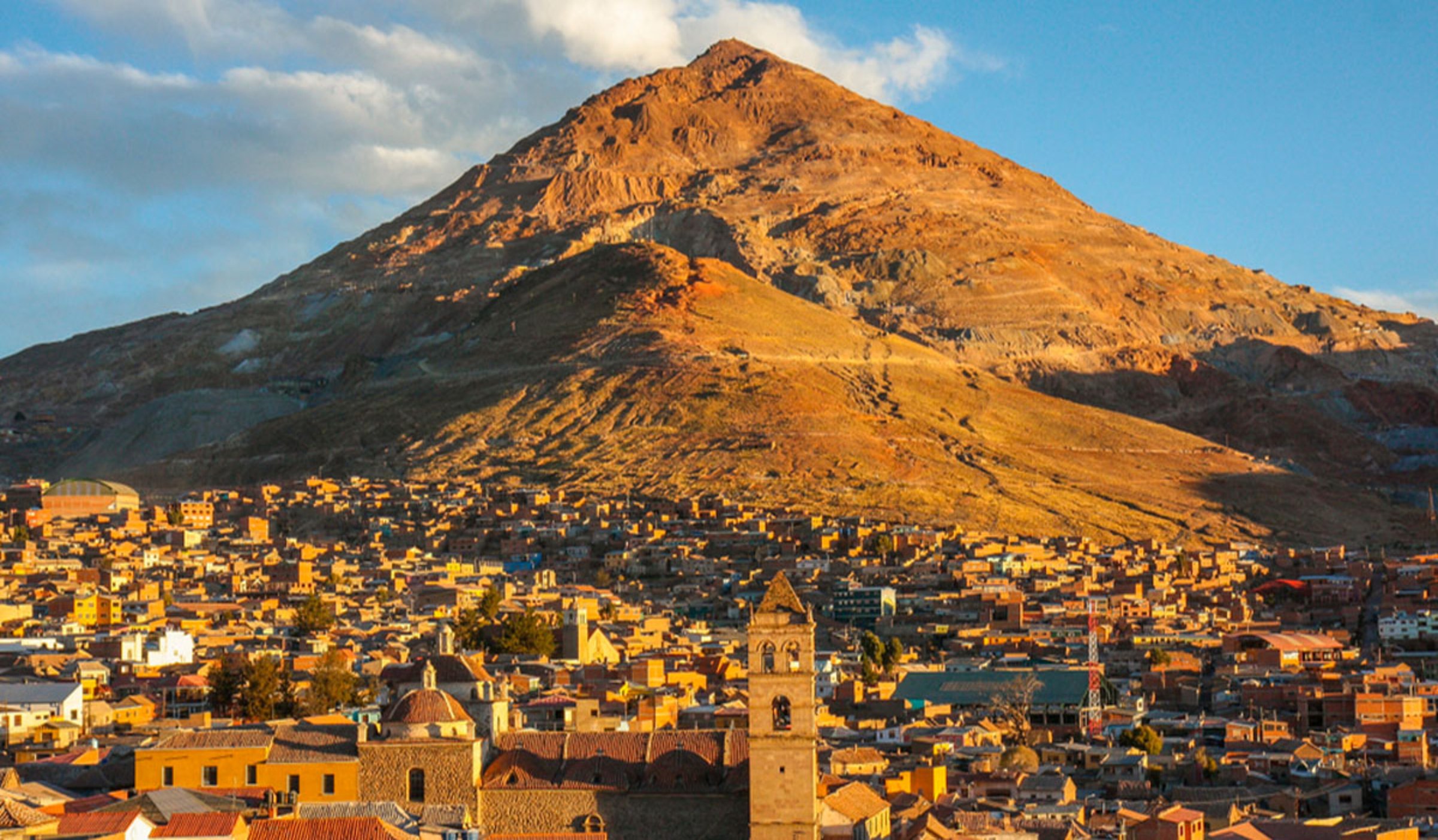
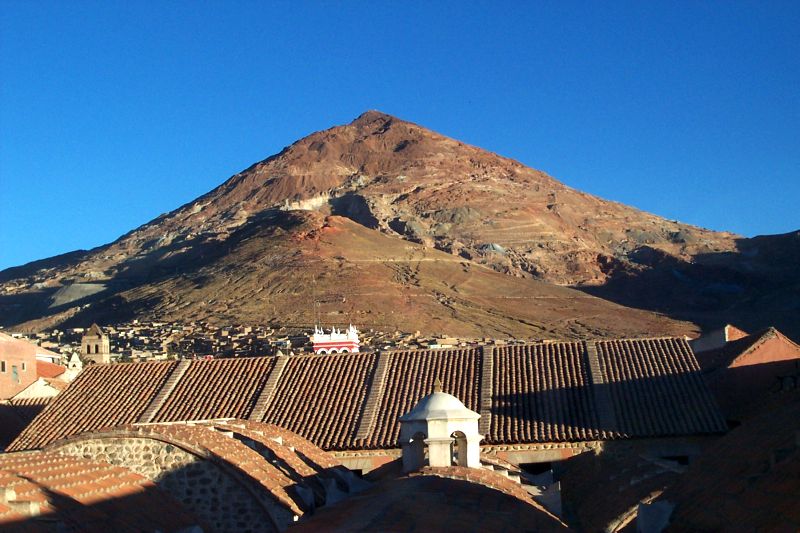
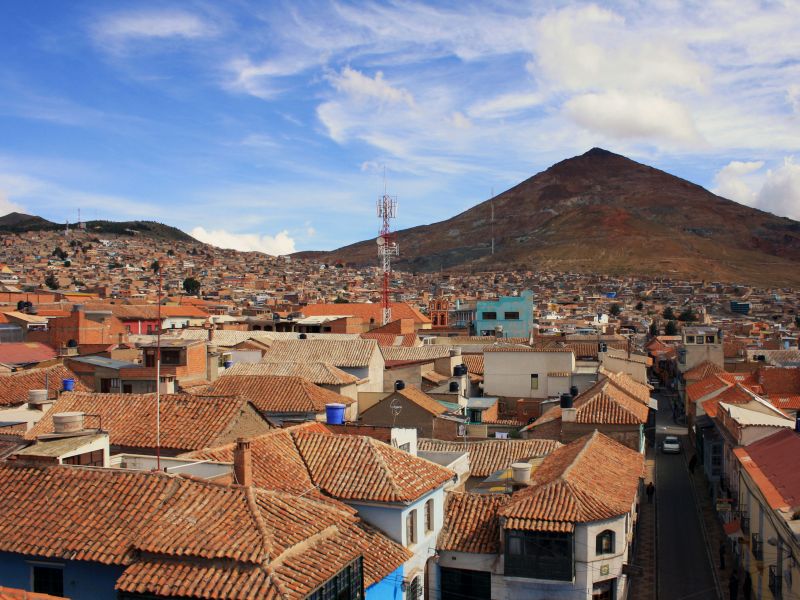
The town of Potosi is located in southern Bolivia, roughly halfway between Sucre and Uyuni, and is often included as a stopover. Its main interest is historical, as Potosi was, during the colonial era, the world's largest source of silver. The Cerro Rico, the mountain overlooking the town, was rich in this precious metal, which was mined there for several centuries.
Founded in the sixteenth century, Potosi thus became one of the most important cities, and even one of the largest, on the continent. In Spain, the expression "vale un Potosí" ("it's worth a Potosi") meant "it's worth its weight in gold", echoing the French expression "c'est le Pérou" ("it's a fortune").
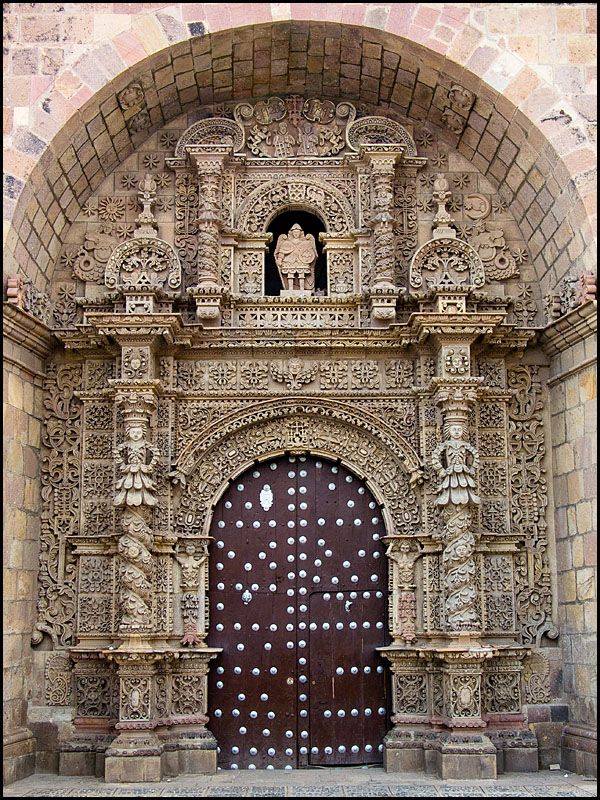
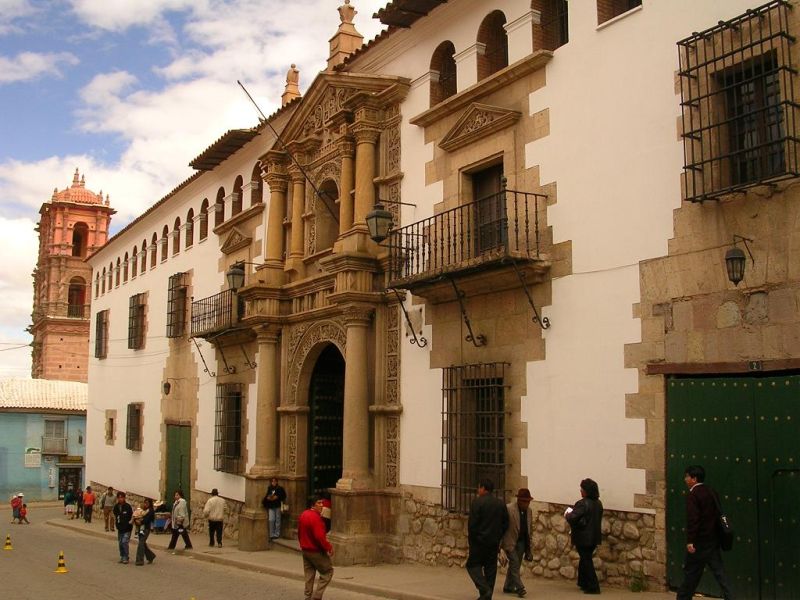
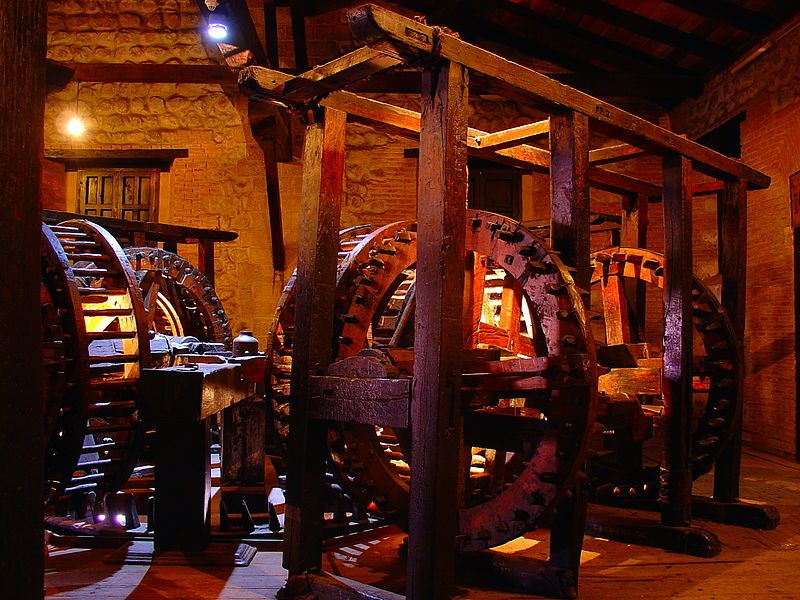
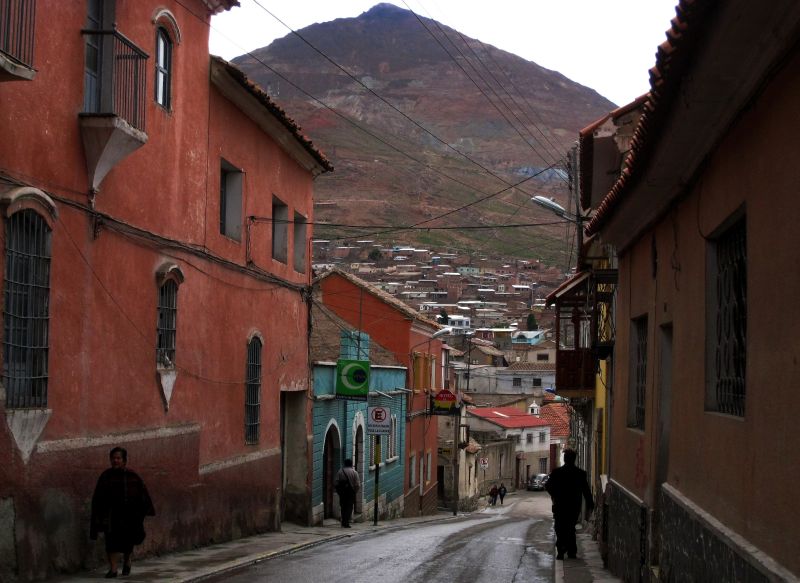
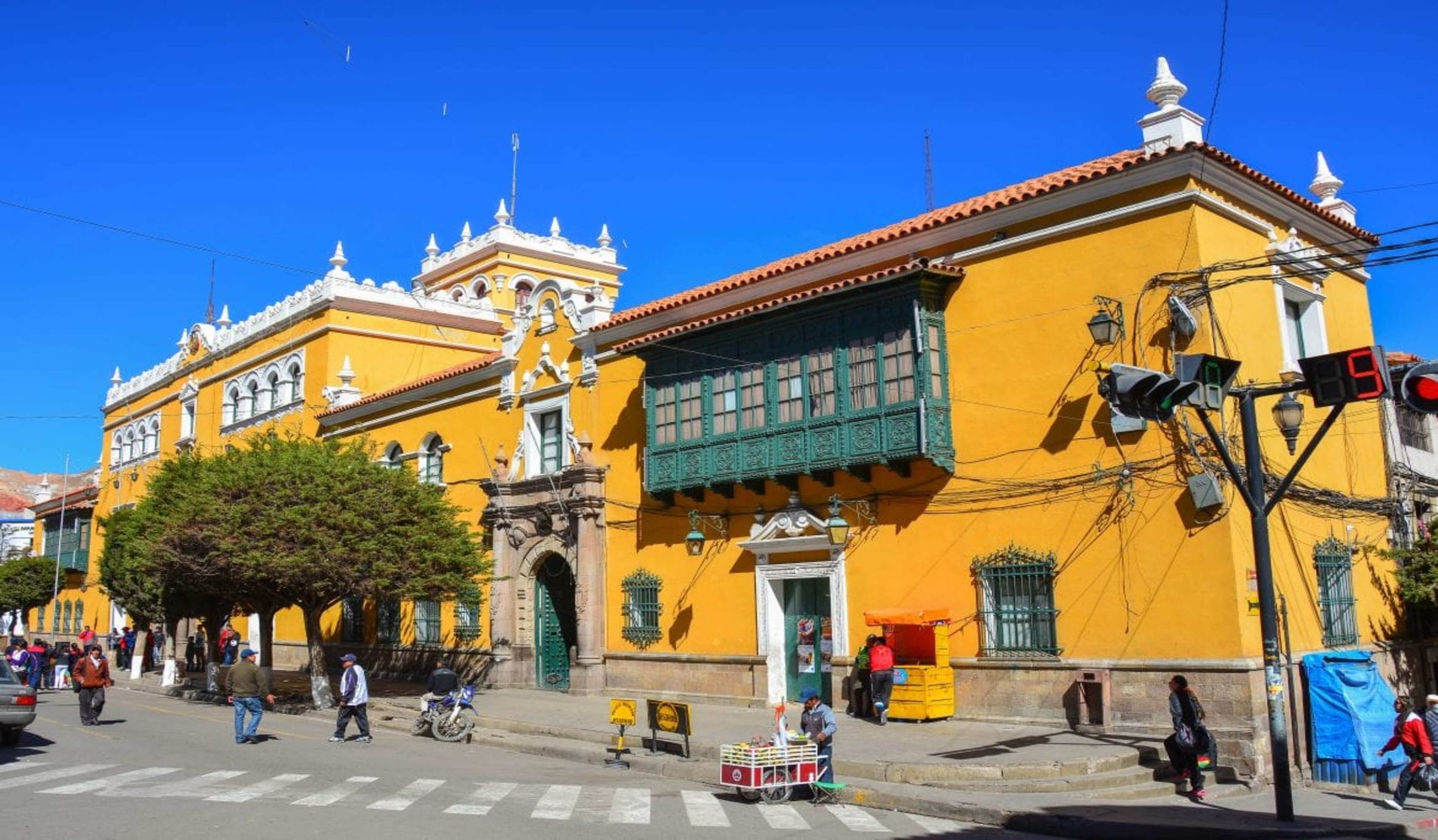
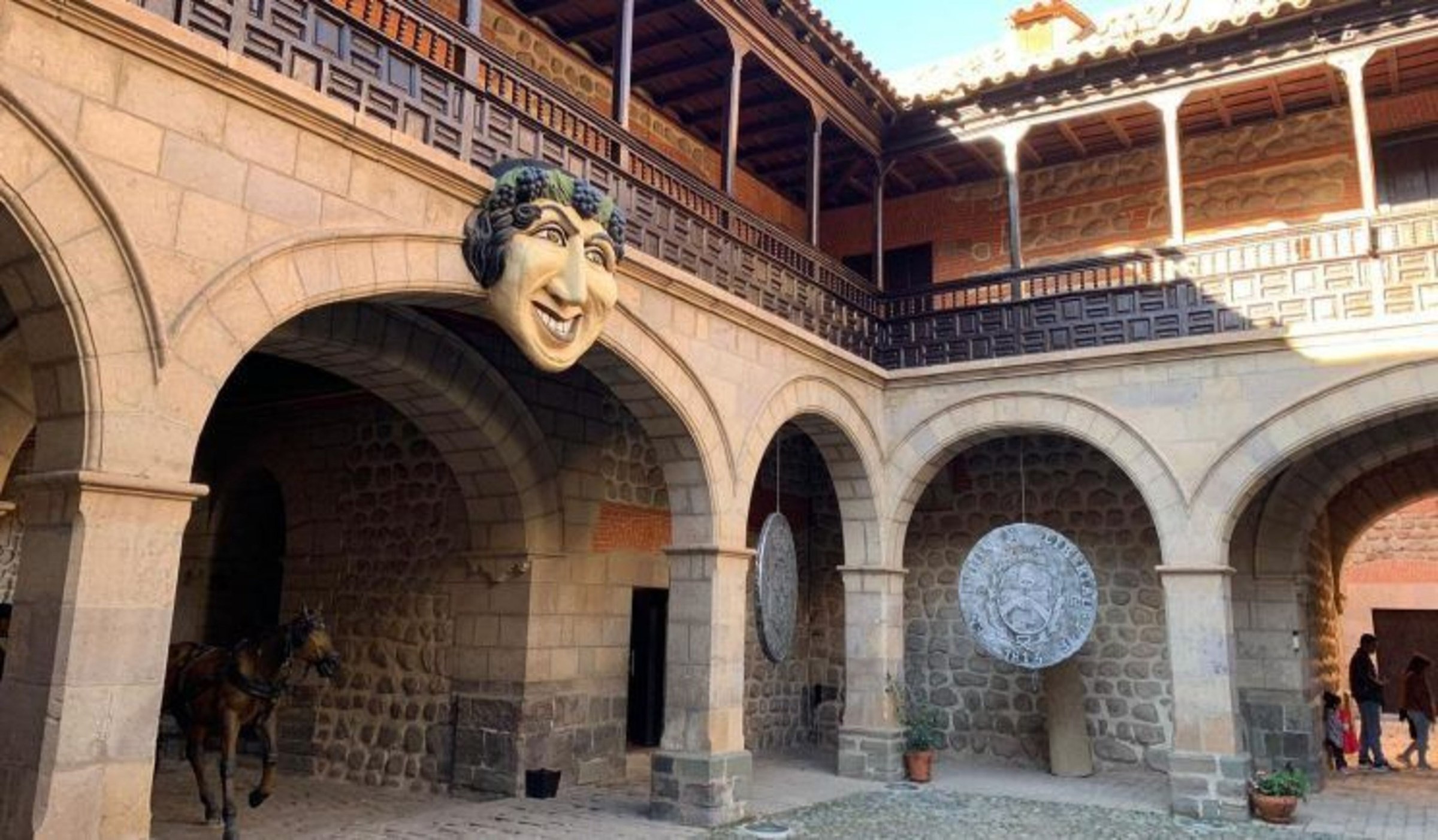
The historic centre of the town still bears witness to this past splendour, in particular the cathedral and the Casa de la Moneda, where the continent's coins were minted for several centuries. Potosi's prosperity, however, is long behind it, and the facades of the colonial buildings are now often faded.
In general, visitors do not stay more than one night in Potosi, as the altitude (4,000 metres) and the rather cold climate hardly invite lazing about.
A visit to the historic centre, and in particular to the Casa de la Moneda, is recommended and can take half a day.
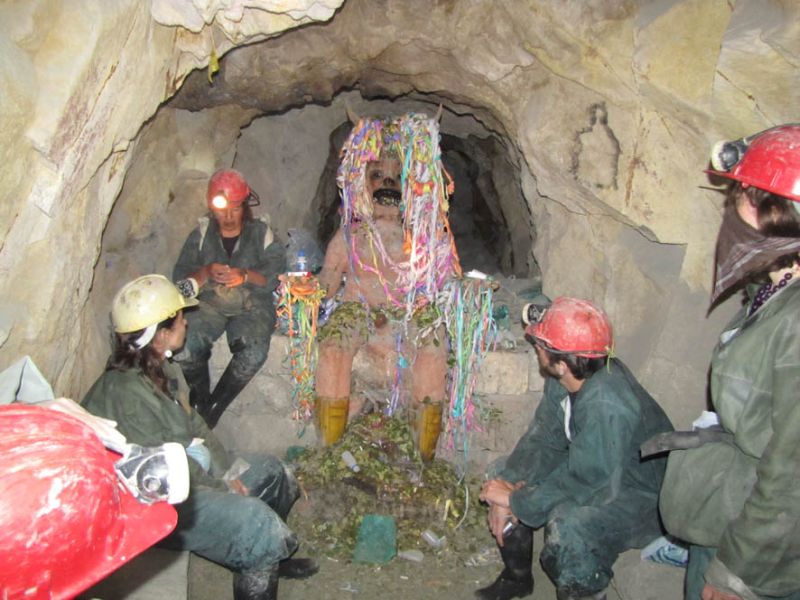
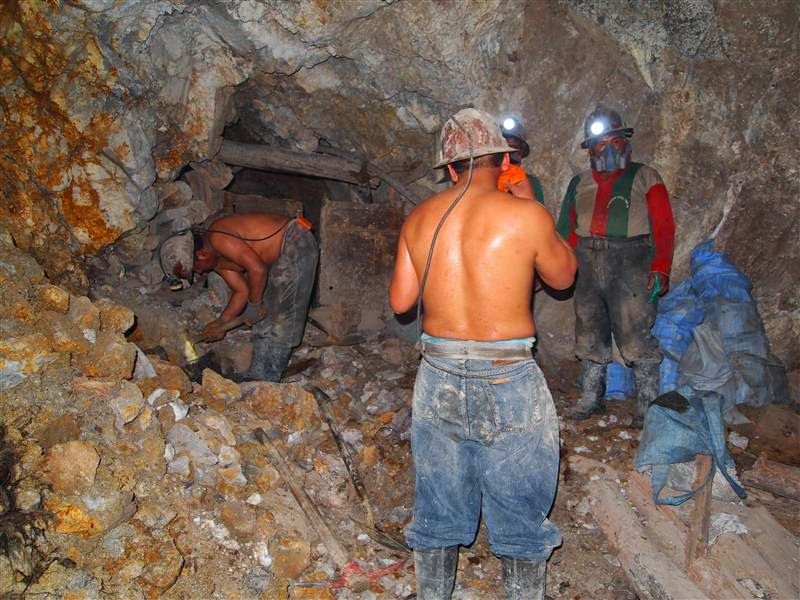
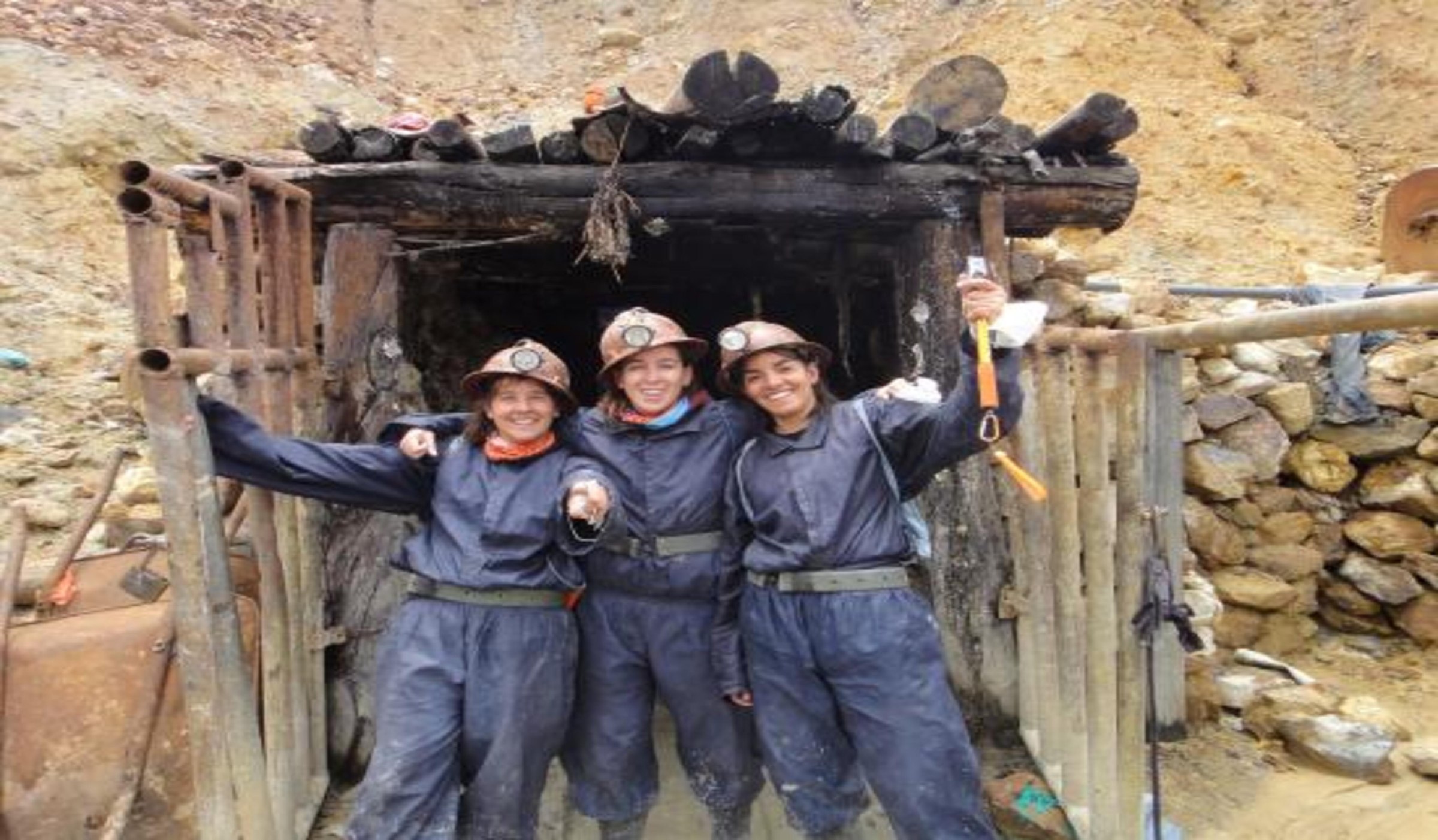
A half-day visit to the Cerro Rico mines is almost a must, although it is not recommended for the claustrophobic. Although colossal quantities of silver have been extracted from the mountain, hundreds of miners today continue to work the secondary veins, in a more or less artisanal way, through an incredible maze of tunnels.
Maximum daytime temperature (monthly average):
Minimum night-time temperature (monthly average):
By plane:
By land:
For more information about these hotels, you can visit the Hotels in Potosi page.
With a private, tailor-made itinerary designed just for you, our team on the ground supports you from your first message until your return home.