
 Recommended by
Le Routard & Le Petit Futé
Recommended by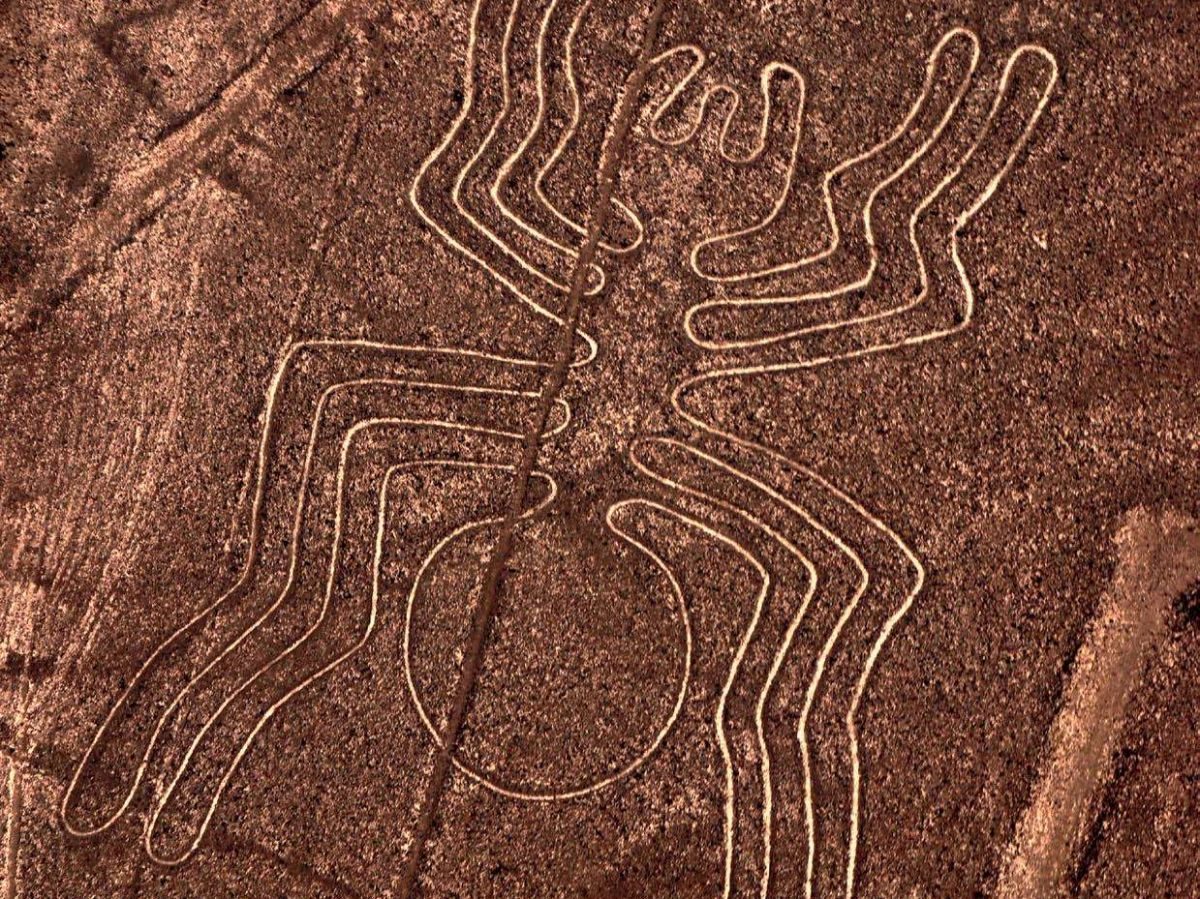
Located in Peru’s coastal desert, 40 kilometers from the Pacific Ocean, the small town of Nazca is an important stop midway between Lima and Arequipa.
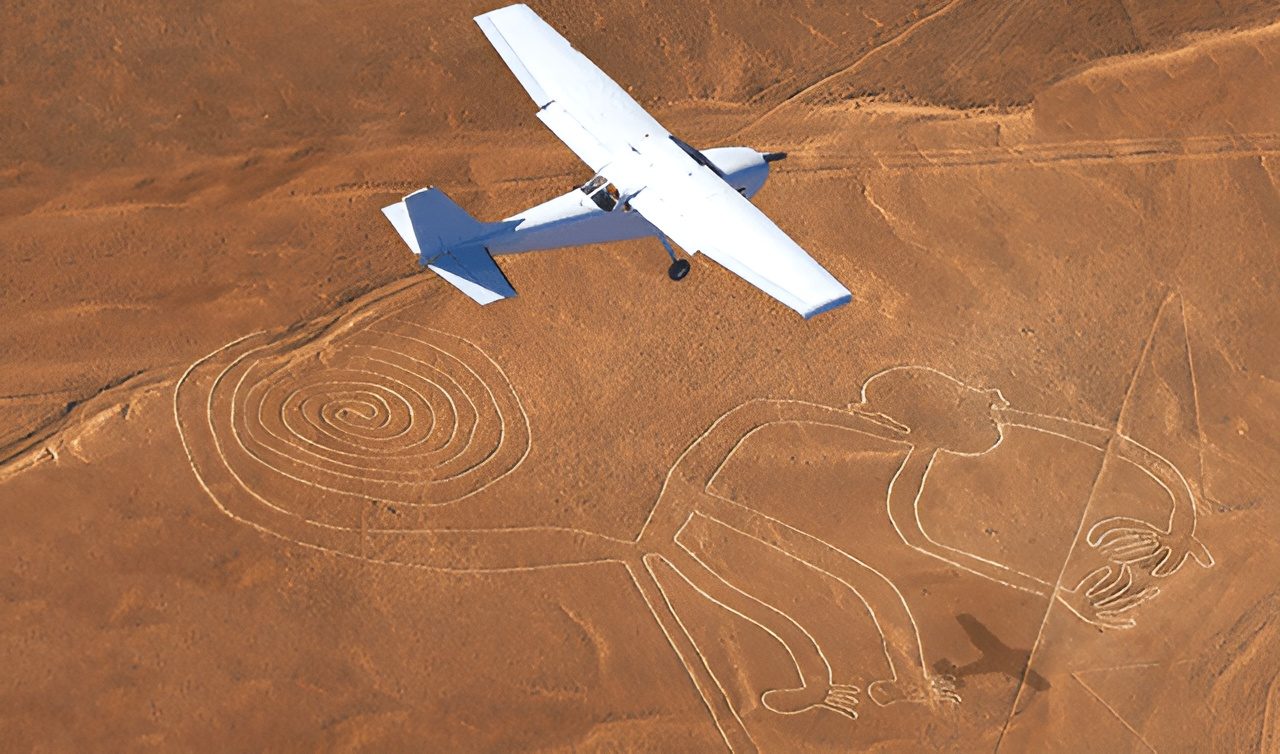
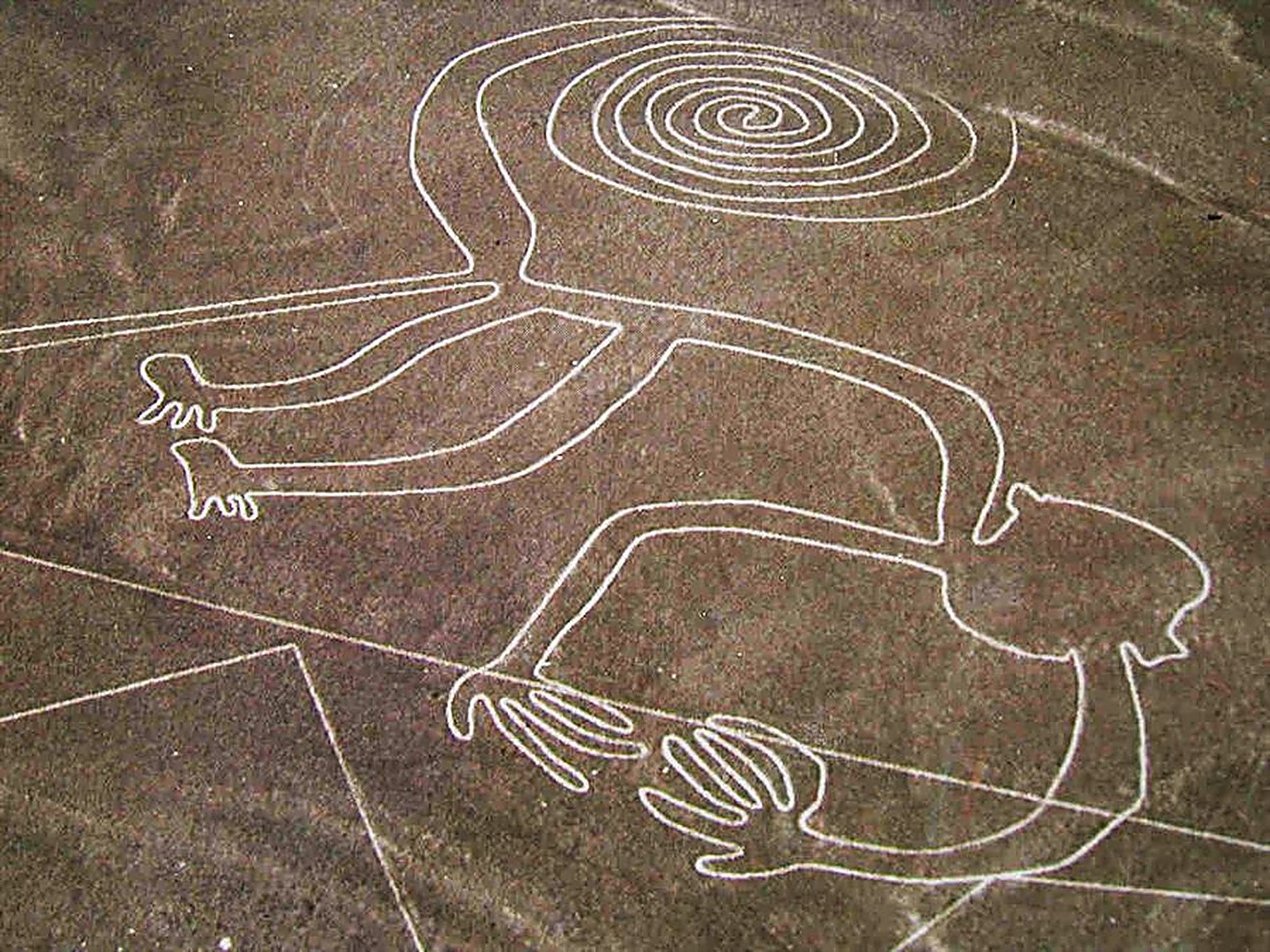
Nazca is world-famous for its geoglyphs, the well-known Nazca Lines, which are the region’s main tourist attraction.
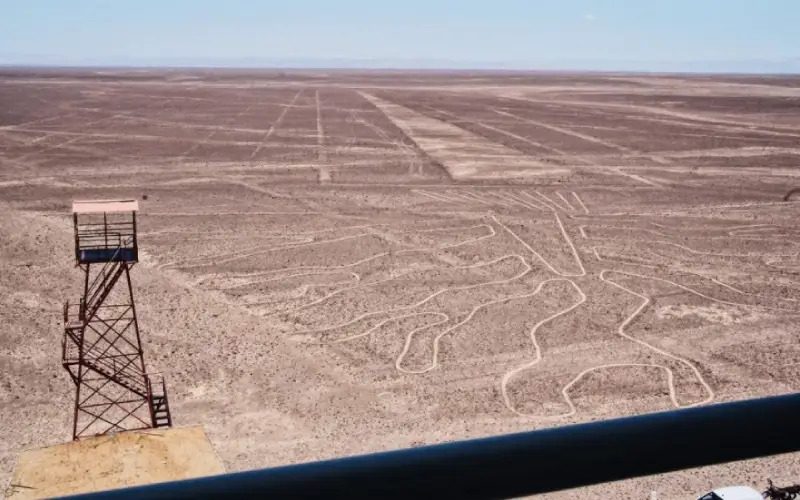
These are a set of figures mostly depicting animals (spider, monkey, hummingbird, condor…), straight lines, and geometric shapes such as zigzags or trapezoids. The animal figures reach up to a hundred meters across, while the straight lines can extend for up to 10 kilometers.
All these lines were traced on a flat, arid surface covering several hundred square kilometers by removing the surface layer of oxidized stones, which makes them stand out as pale lines by contrast. They are believed to have been created during the first millennium AD. The near-total absence of rain in the Nazca desert has allowed them to survive for more than a thousand years.
These geoglyphs almost certainly had a ritual purpose, but the exact meaning of each figure and how the Nazca civilization used them remains unknown. Numerous theories, ranging from the serious to the far-fetched, attempt to explain them, which helps keep an aura of mystery around the Nazca Lines.
Two figures (the tree and the hand) can be seen from a roughly 15-meter-high metal tower located 25 kilometers from Nazca. Nearby, a hill also offers views of several lines a few kilometers long. But it is of course from the air that the lines are best observed as a whole. Flights depart from the Nazca aerodrome, last about half an hour, and cost around 100 USD.
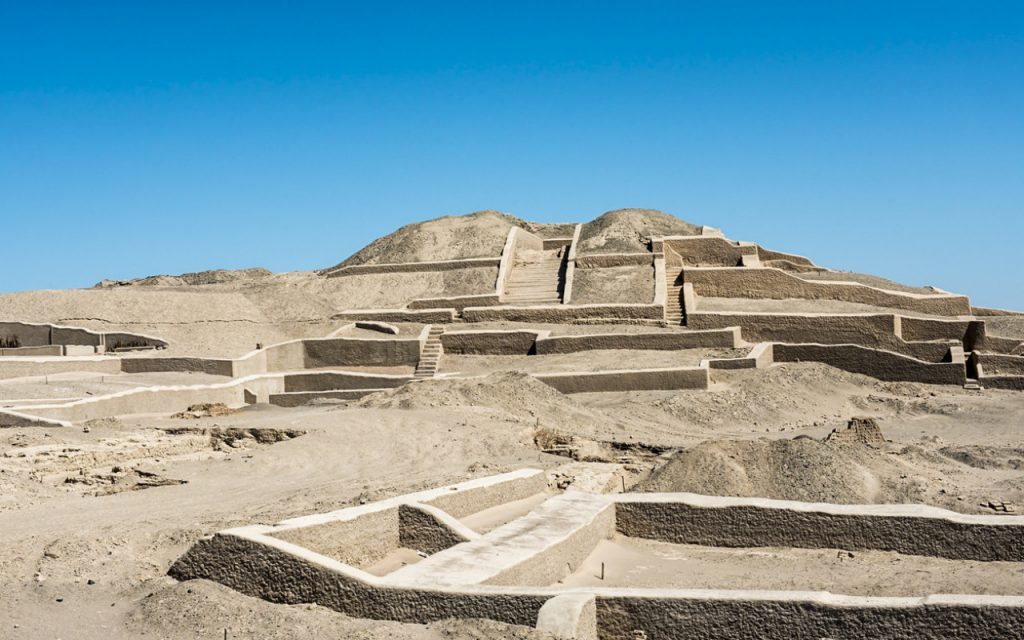
Other interesting archaeological sites can be found in the region. 20 kilometers from Nazca, the Cahuachi complex was an important ceremonial center made up of several pyramids, now buried under the desert sand. Excavations have uncovered a small part of it that can be seen today.
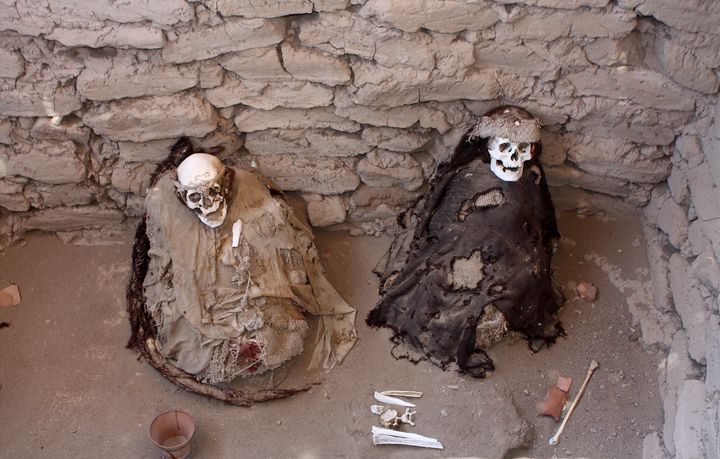
The Chauchilla cemetery, 30 kilometers south of Nazca, lets you see mummies over 1,000 years old preserved by the arid ground, along with the offerings they were buried with.
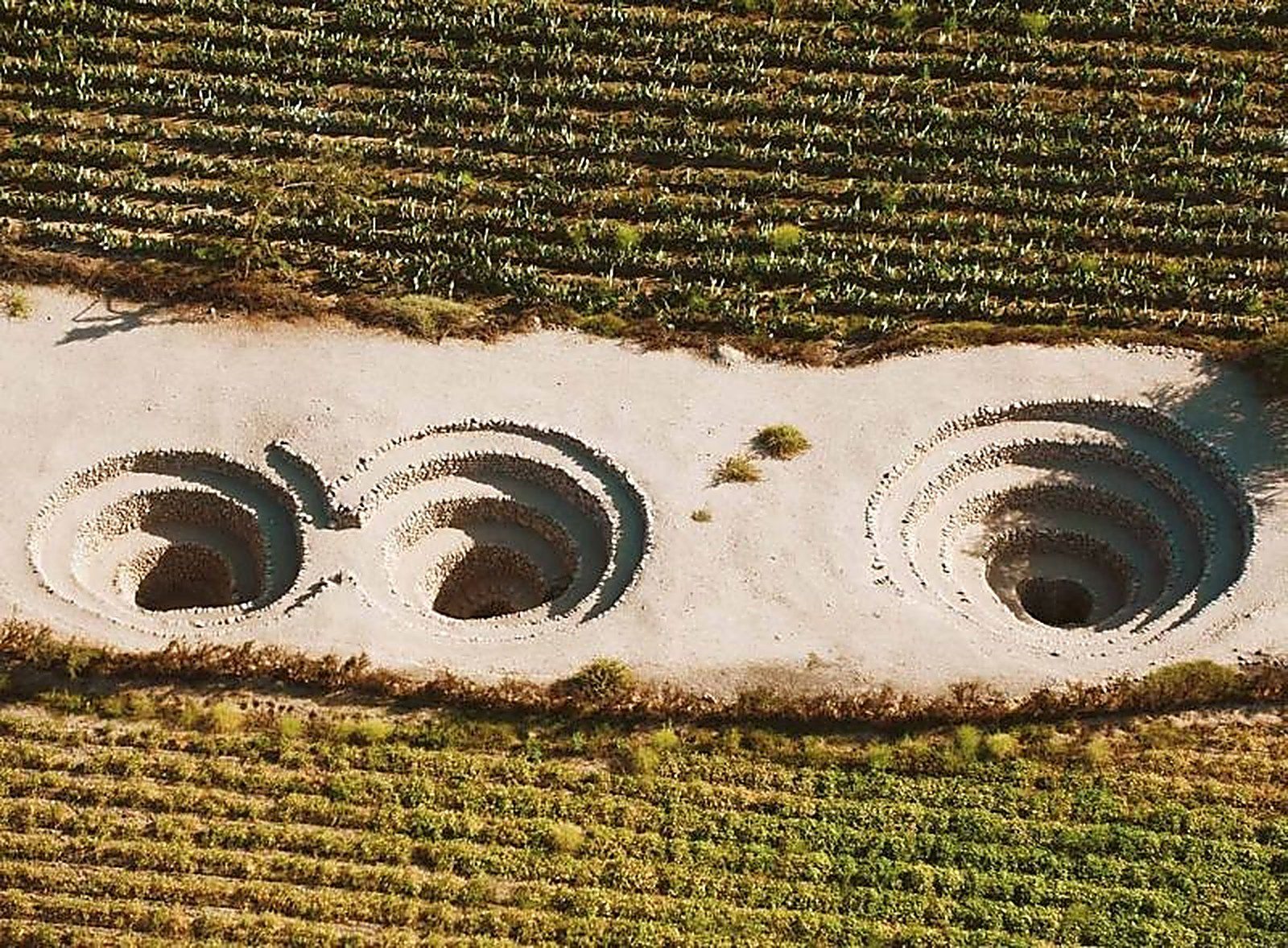
The Cantalloc aqueducts reveal the underground irrigation channels that allowed the Nazca civilization to survive and thrive in the desert.
The Antonini Museum documents the archaeological heritage of the Nazca region, while the Maria Reiche Museum, 30 kilometers along the road to Lima, is dedicated to the German mathematician who devoted her life to studying and preserving the Nazca Lines.
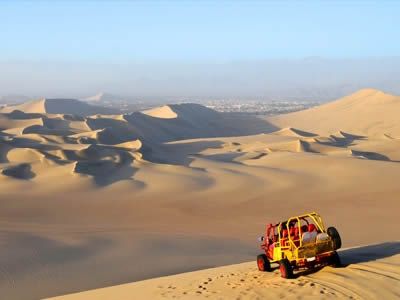
Finally, Nazca also offers a few adventure excursions. One is a full day of dune buggy riding through the desert, passing by Cahuachi and the huge Usaca dunes before finally reaching the Pacific Ocean at San Fernando Bay, where you can observe a colony of sea lions. It’s a completely off-the-beaten-path day, pricey for just two people but more affordable for a larger party.
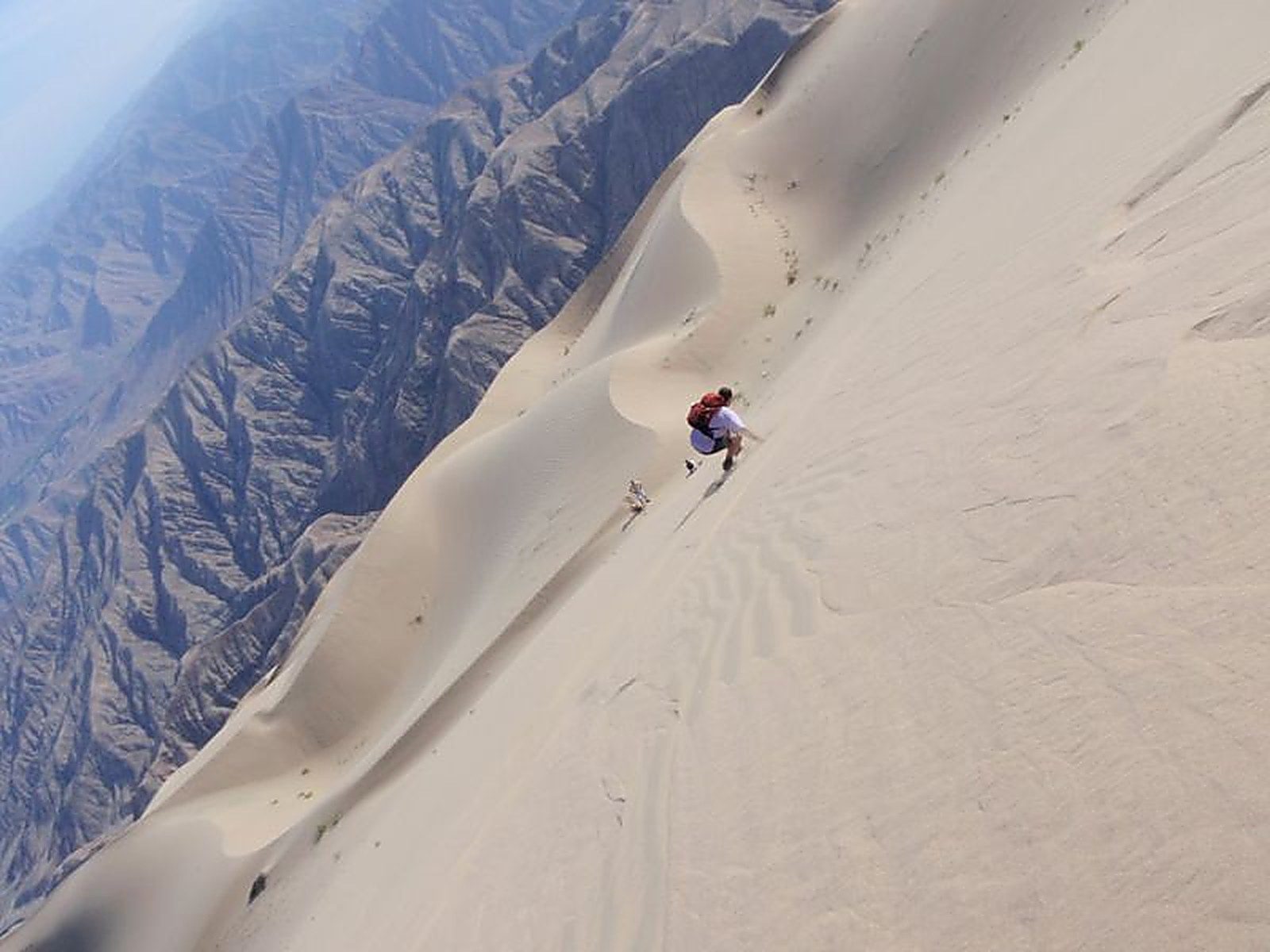
Another excursion worth mentioning offers sandboarding on Cerro Blanco, a 1,000-meter-high dune near Nazca that locals don’t hesitate to call “the tallest dune in the world.”
Maximum daytime temperature (monthly average):
Minimum nighttime temperature (monthly average):
By plane:
By land:
For more information about these hotels, you can visit the Hotels in Nazca page.
With a tailor-made trip designed just for you, our on-the-ground team supports you from your very first message until your return home.