

 Recommended by
Le Routard & Le Petit Futé
Recommended by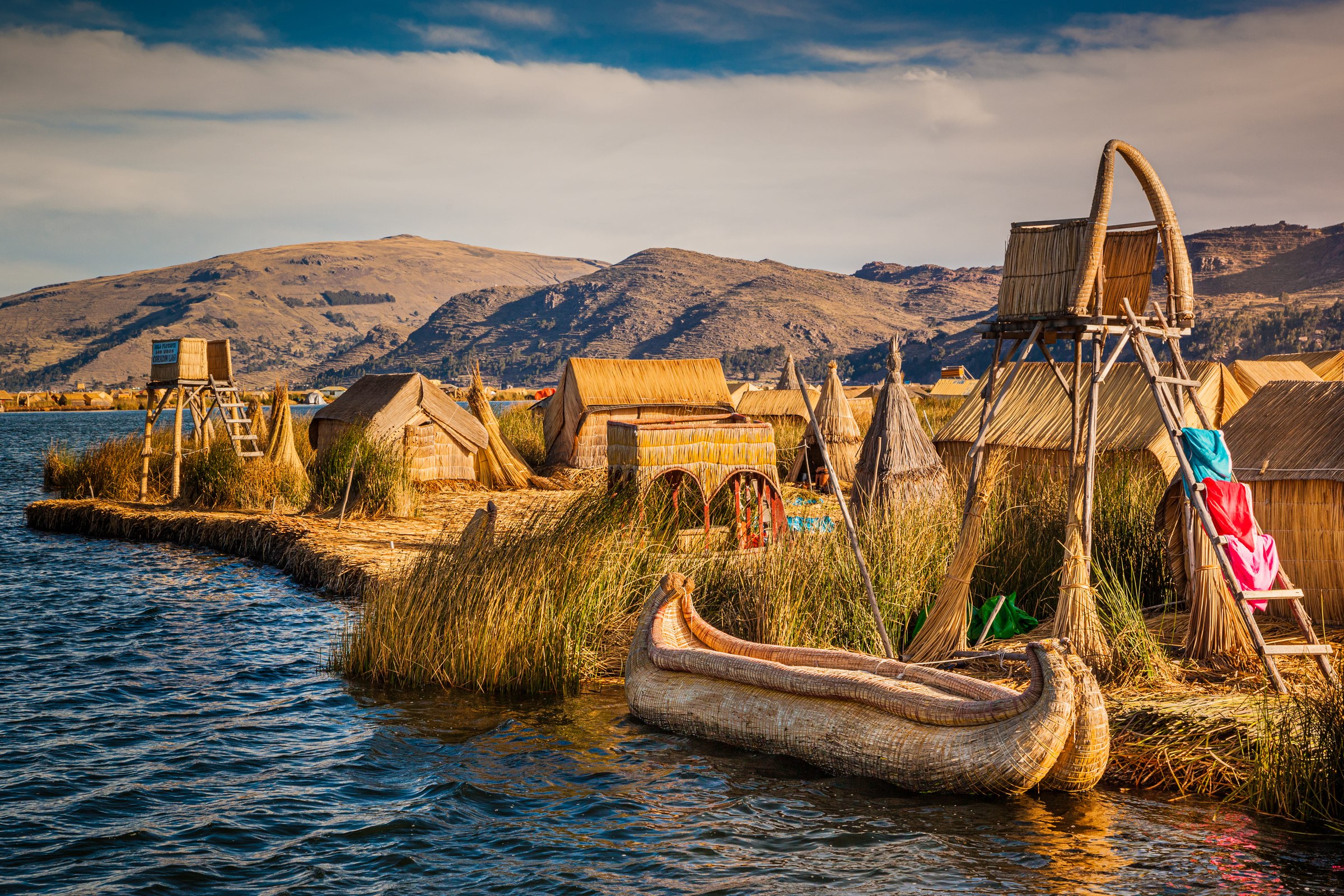
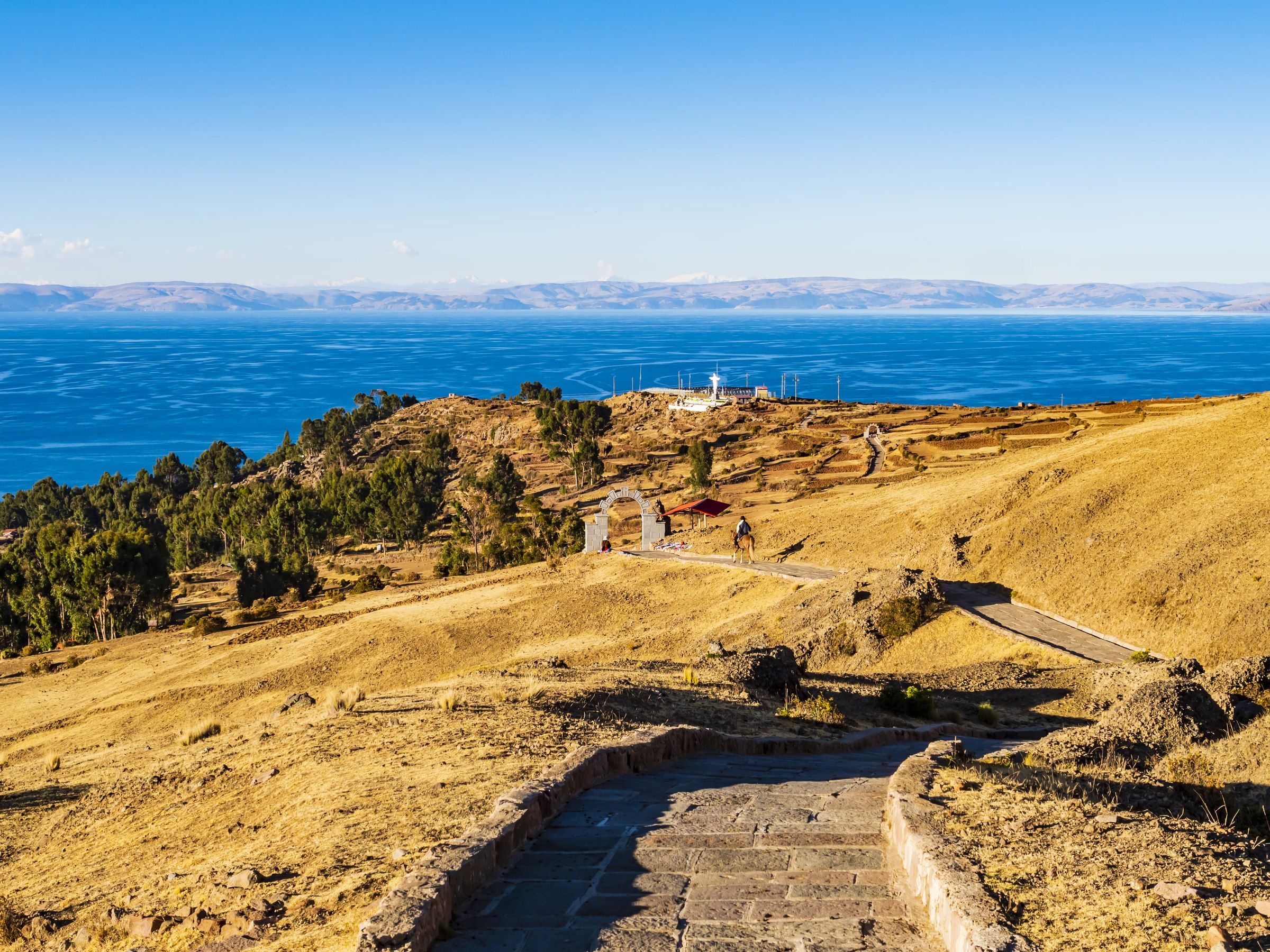
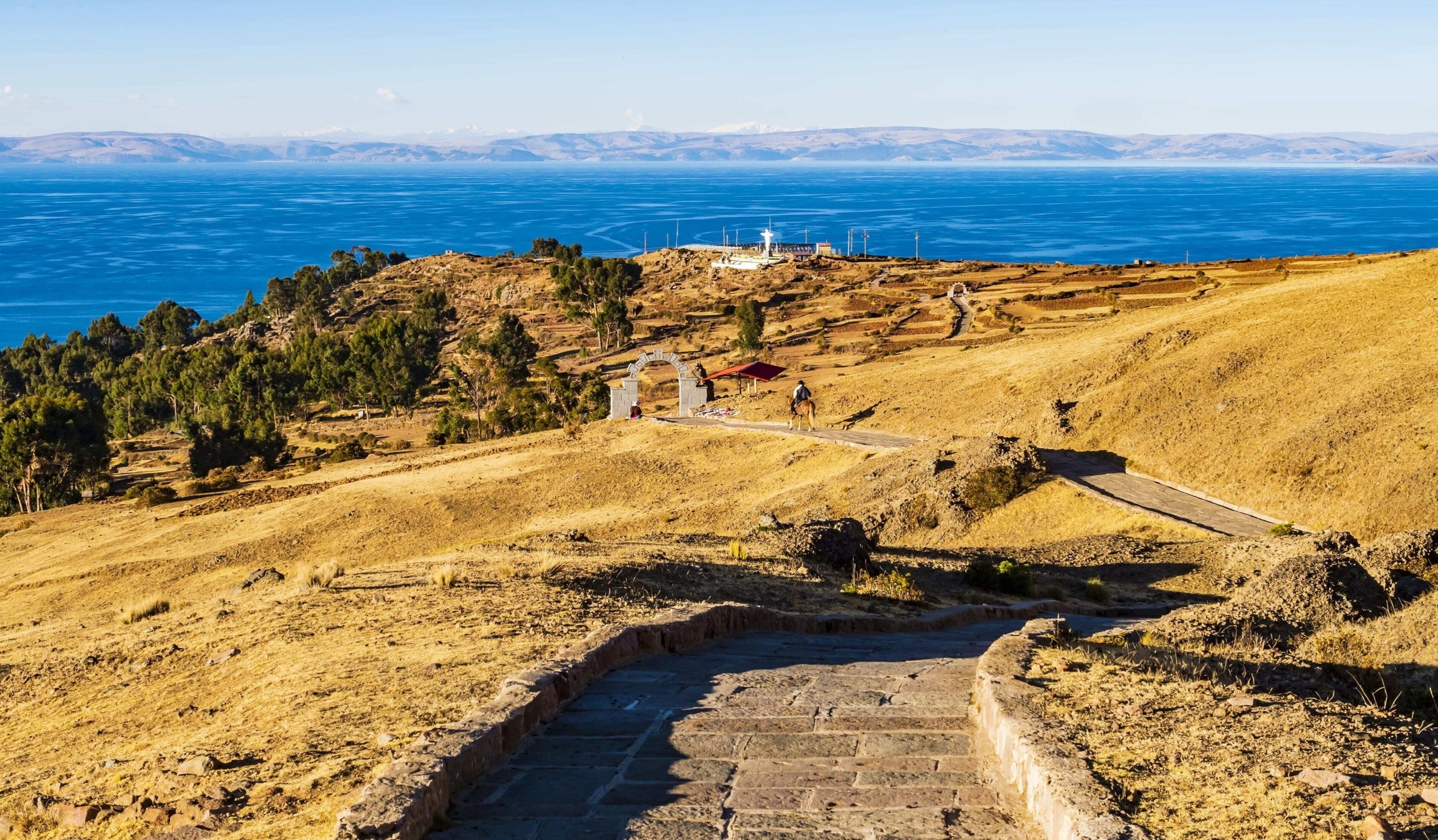
Lake Titicaca is generally one of the highlight destinations during a trip to Peru. It is also a mandatory stop for those heading to La Paz in Bolivia and those traveling from Arequipa to Cuzco.
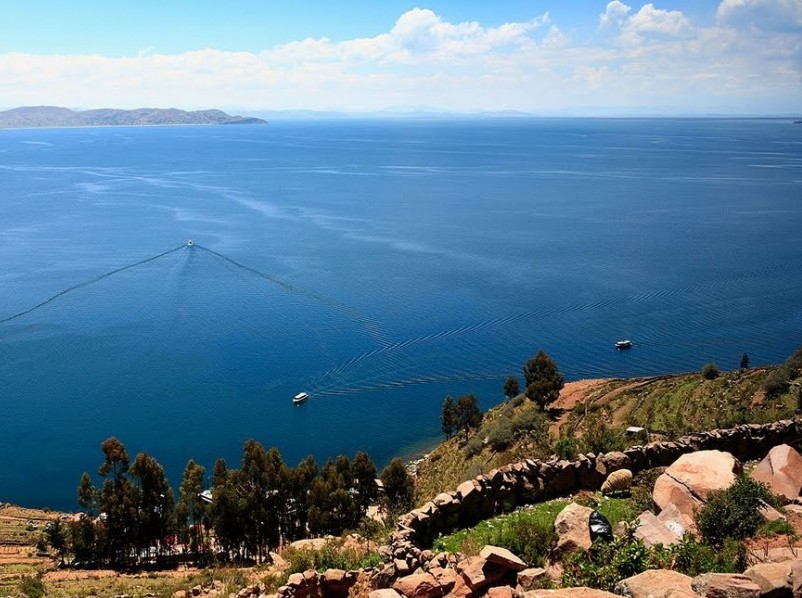
Located at 3800 meters of altitude, Lake Titicaca covers an area of 8500 square kilometers, is 190 kilometers long and reaches a maximum depth of over 300 meters, making it one of the largest lakes in South America and of course the largest lake in the world at this altitude.
The lake is shared by Peru and Bolivia. On the Peruvian side, the town of Puno is the most important town on the lake shore and the main starting point for tourist excursions. In Bolivia, it is the village of Copacabana that offers the best access point to Lake Titicaca and Isla del Sol.
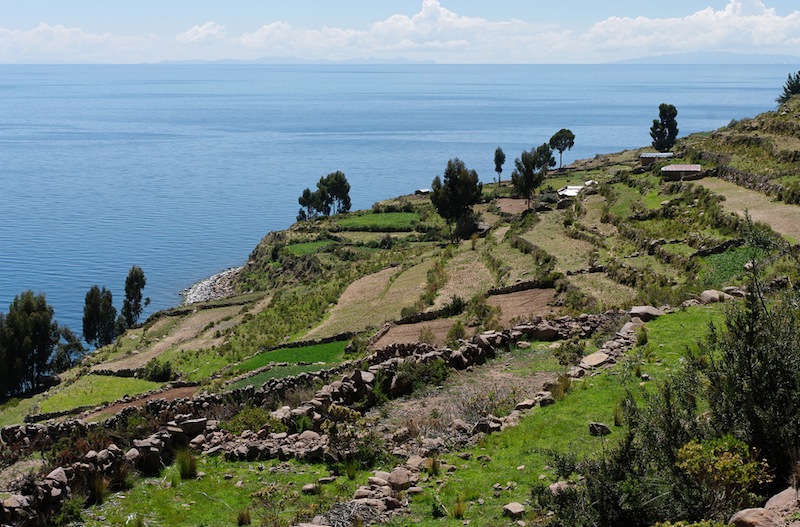
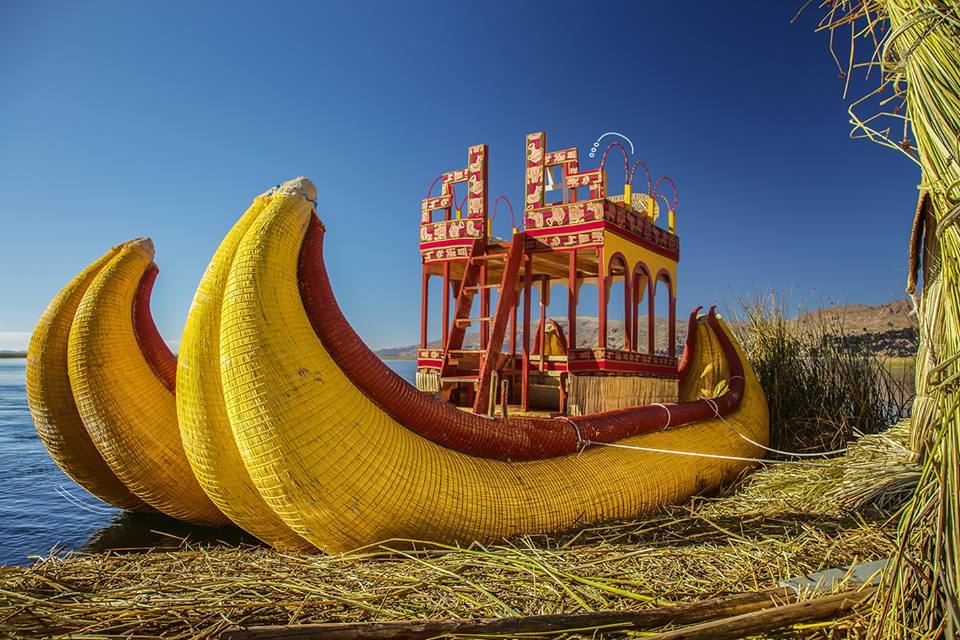
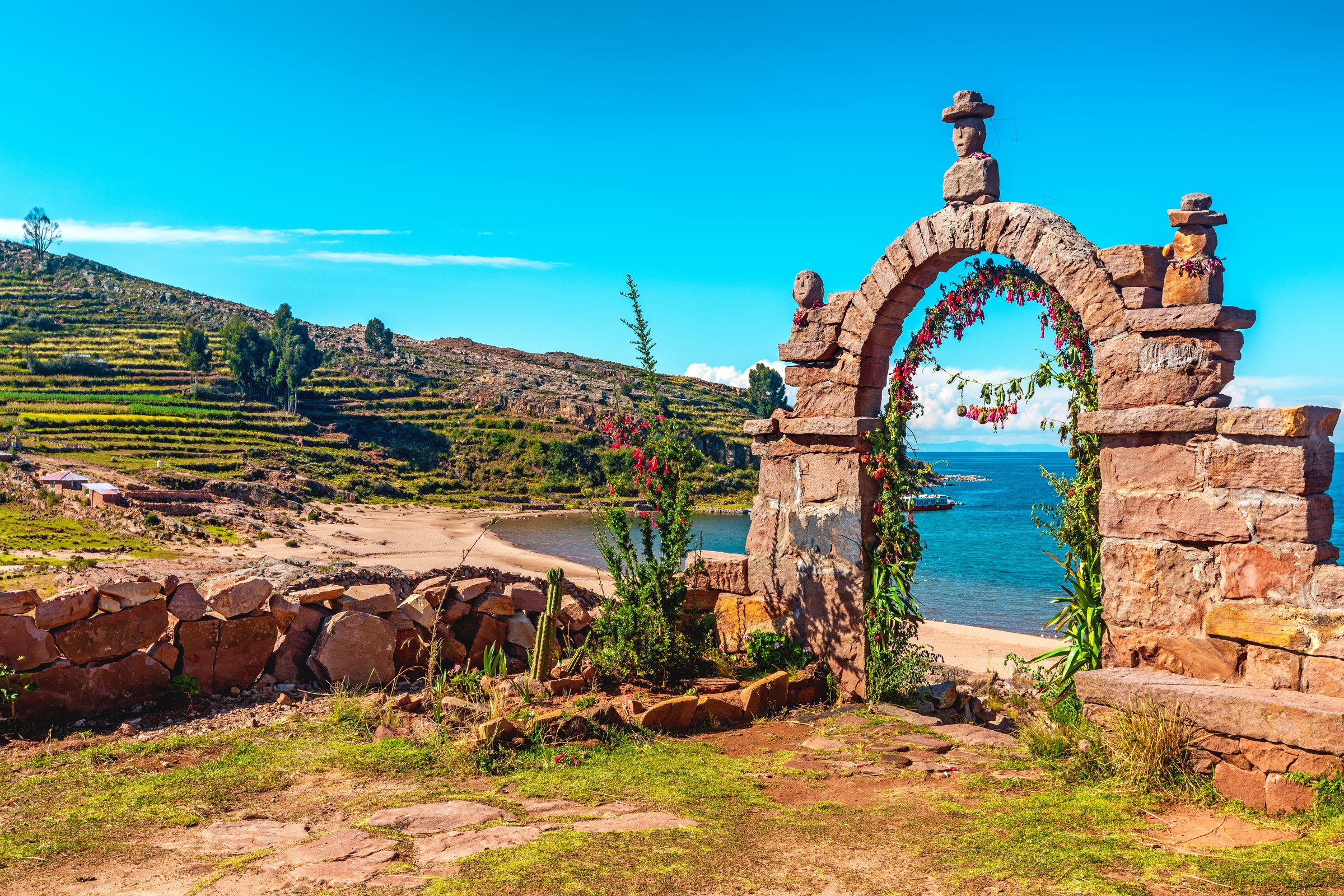
From Puno, there are several excursions that allow you to sail on the lake. The most classic is the one that lets you reach Taquile Island on a round trip in one day. From the top of the island, the view over the lake is splendid. The length of the crossing on traditional boats (6 hours round trip) is, however, a downside of this excursion.
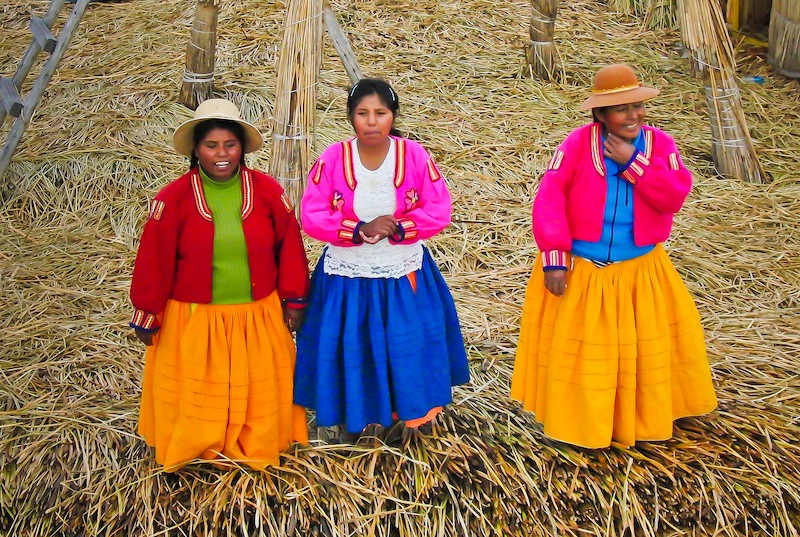
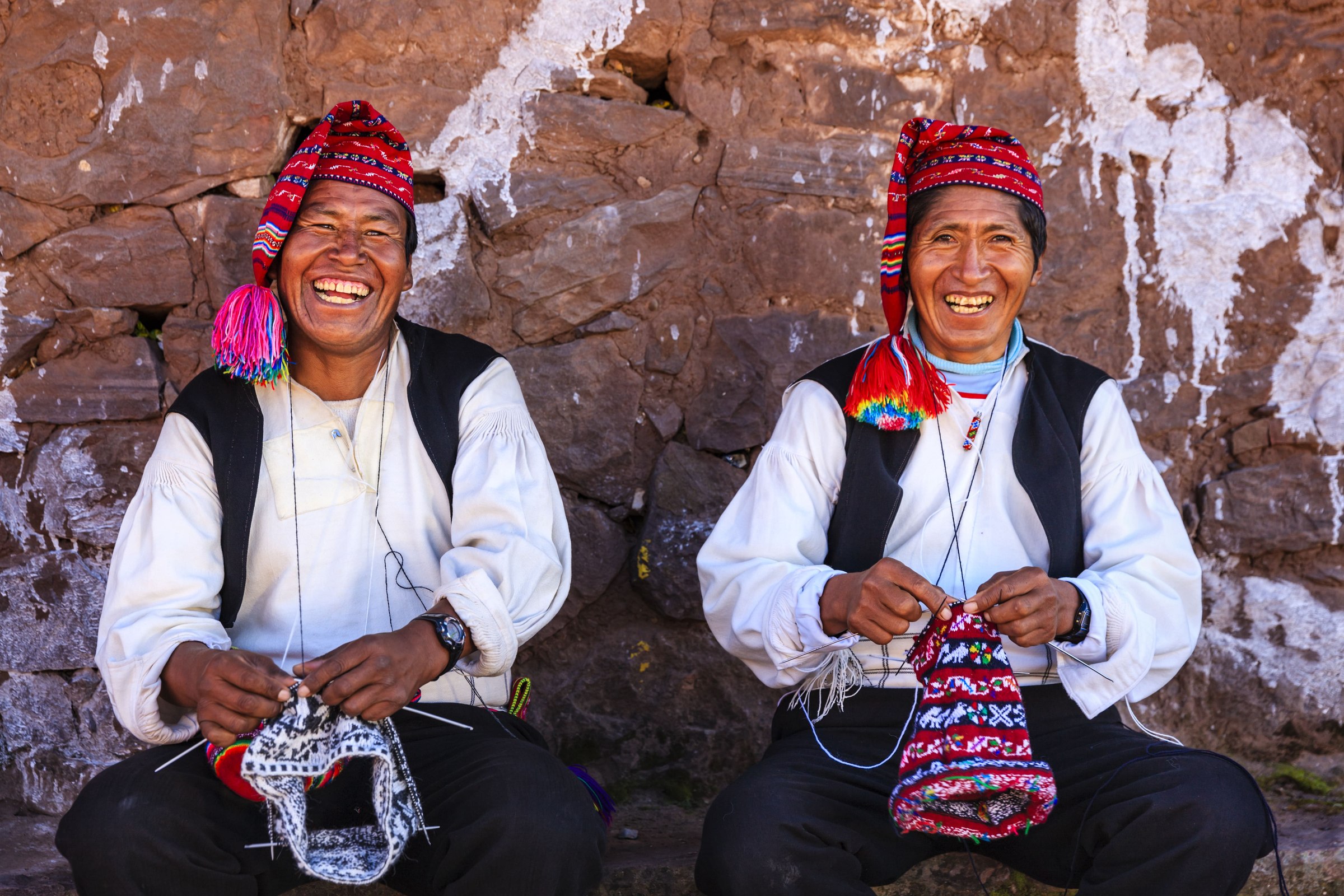
You can also opt for a 2-day excursion with an overnight stay on Amantani Island, close to Taquile. The night is spent with a local family, giving you a closer look at the life of these indigenous communities while enjoying the rare tranquility of this island of silence, with no cars or dogs. The next day, you also visit Taquile Island.
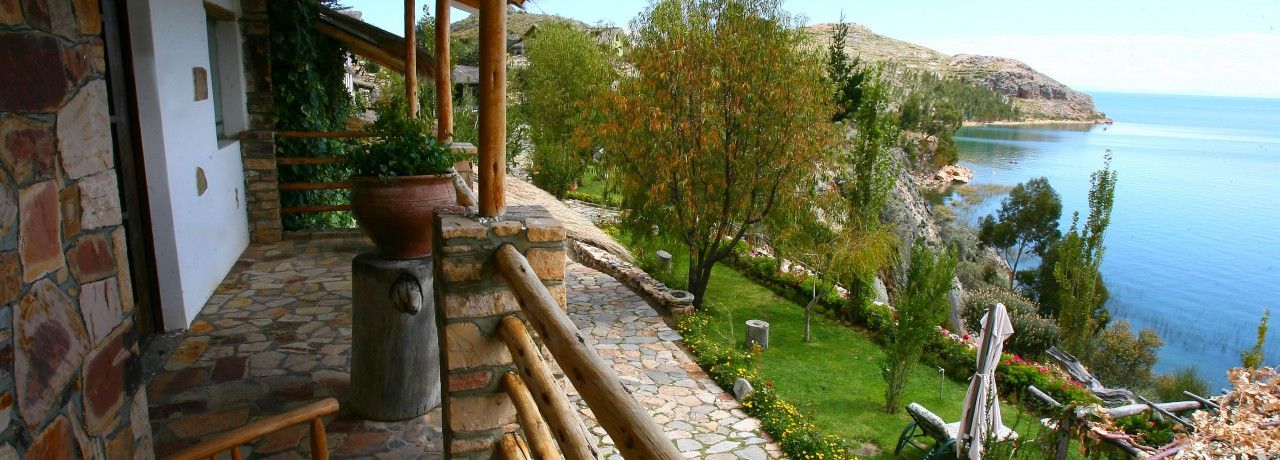
If discomfort puts you off, the private island of Suasi offers a pricier but fully comfortable alternative with its hotel from the Casa Andina chain.
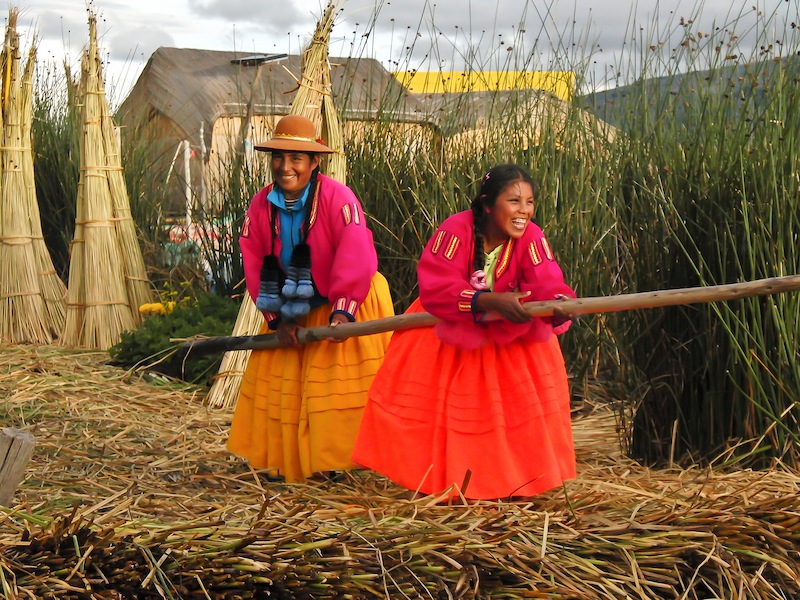
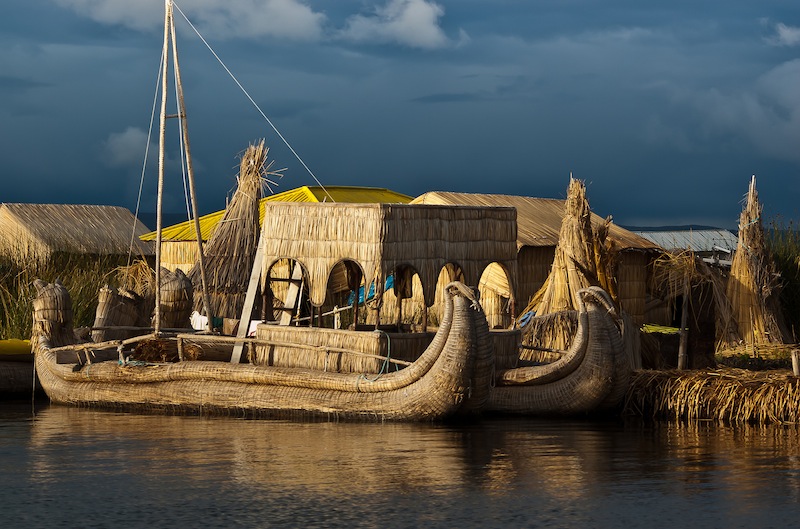
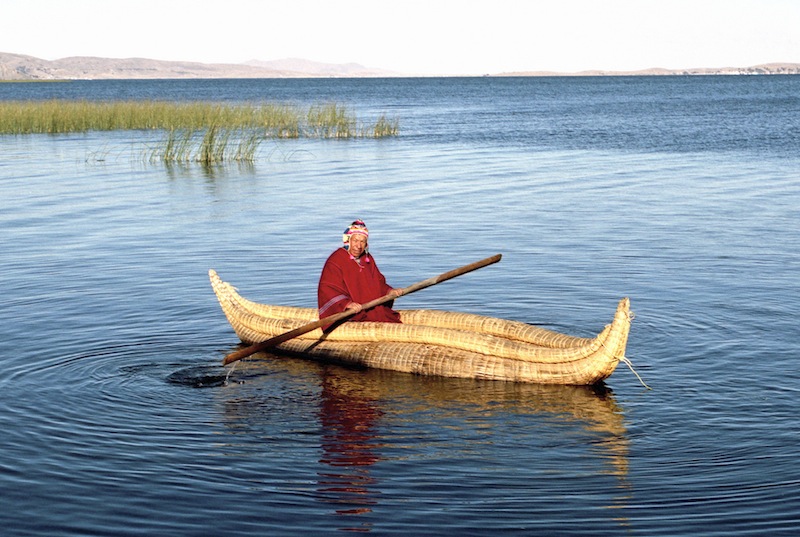
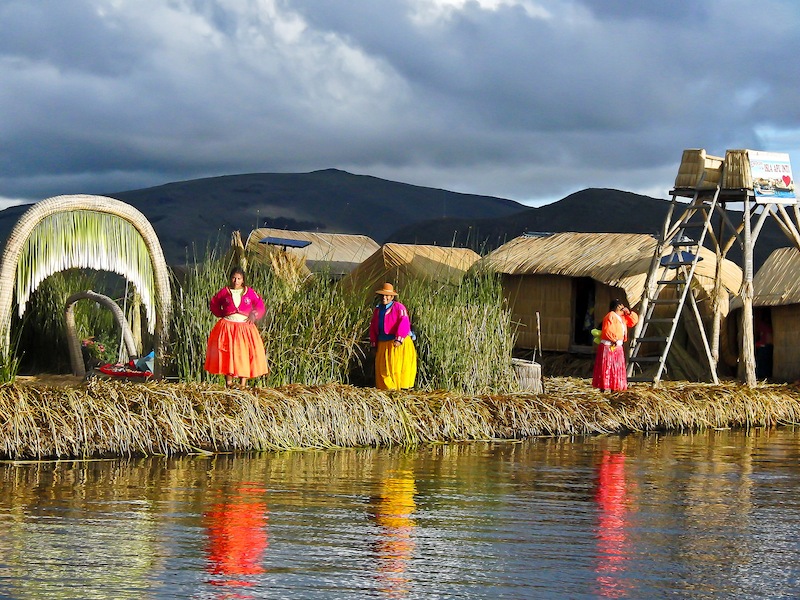
All of these excursions pass by the Uros floating islands, located 20 minutes from Puno. With the rise of tourism, these islands have multiplied and now have a population of over 1000 people. The traditional hunter-fisher lifestyle has of course disappeared, but even though very touristy, the Uros islands remain an astonishing place. You can get there on a 2-3 hour excursion, or even, for the sporty, by kayak from Puno.
If you don’t have your sea legs (or, to be more precise, your lake legs), you can opt for a land excursion on the Socca peninsula, which offers very beautiful views over Lake Titicaca and the snow-capped peaks of the Bolivian Cordillera Real. It also has the advantage of passing through an environment still untouched by tourism, where the only activity is farming.
The Lake Titicaca region was important in the development of the pre-Columbian civilizations of the altiplano. According to legend, it was from the waters of Lake Titicaca that Manco Capac, the first Inca ruler, emerged. The Tiwanaku civilization, whose center is located near the lake in Bolivia, played an important role and was likely a precursor of the Incas.
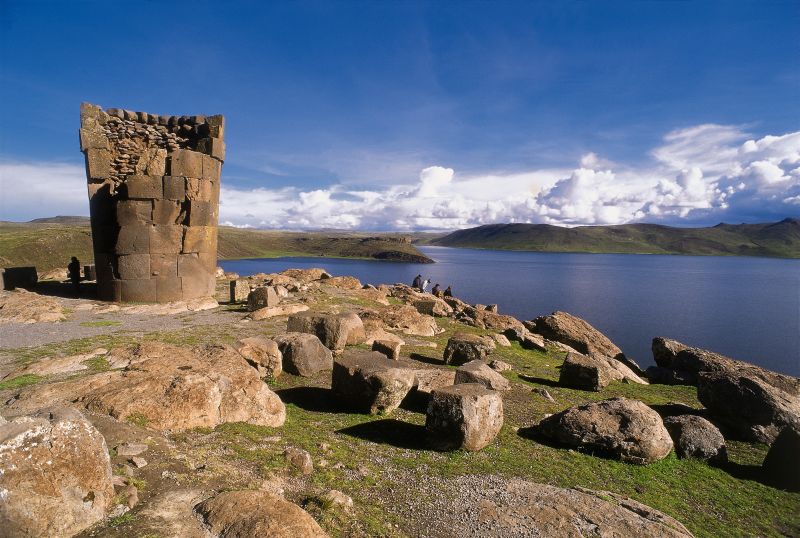
In the area around Puno, you will therefore find interesting archaeological sites, such as the “chullpas”, or funerary towers, of Sillustani, or the much less visited chullpas of Cutimbo. Each of these two sites can be visited in a half-day.
Maximum daytime temperature (monthly average):
Minimum nighttime temperature (monthly average):
By air:
By land:
For more information about these hotels, you can check out the Hotels in Puno, Lake Titicaca page.
A tailor-made trip designed just for you: our on-the-ground team supports you every step of the way, from your first message until your return home.