

 Recommended by
Le Routard & Le Petit Futé
Recommended by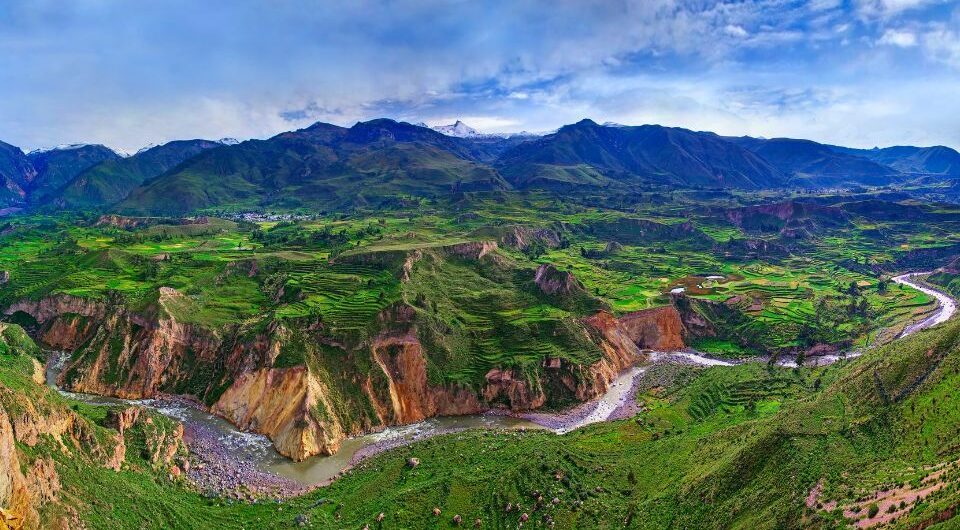
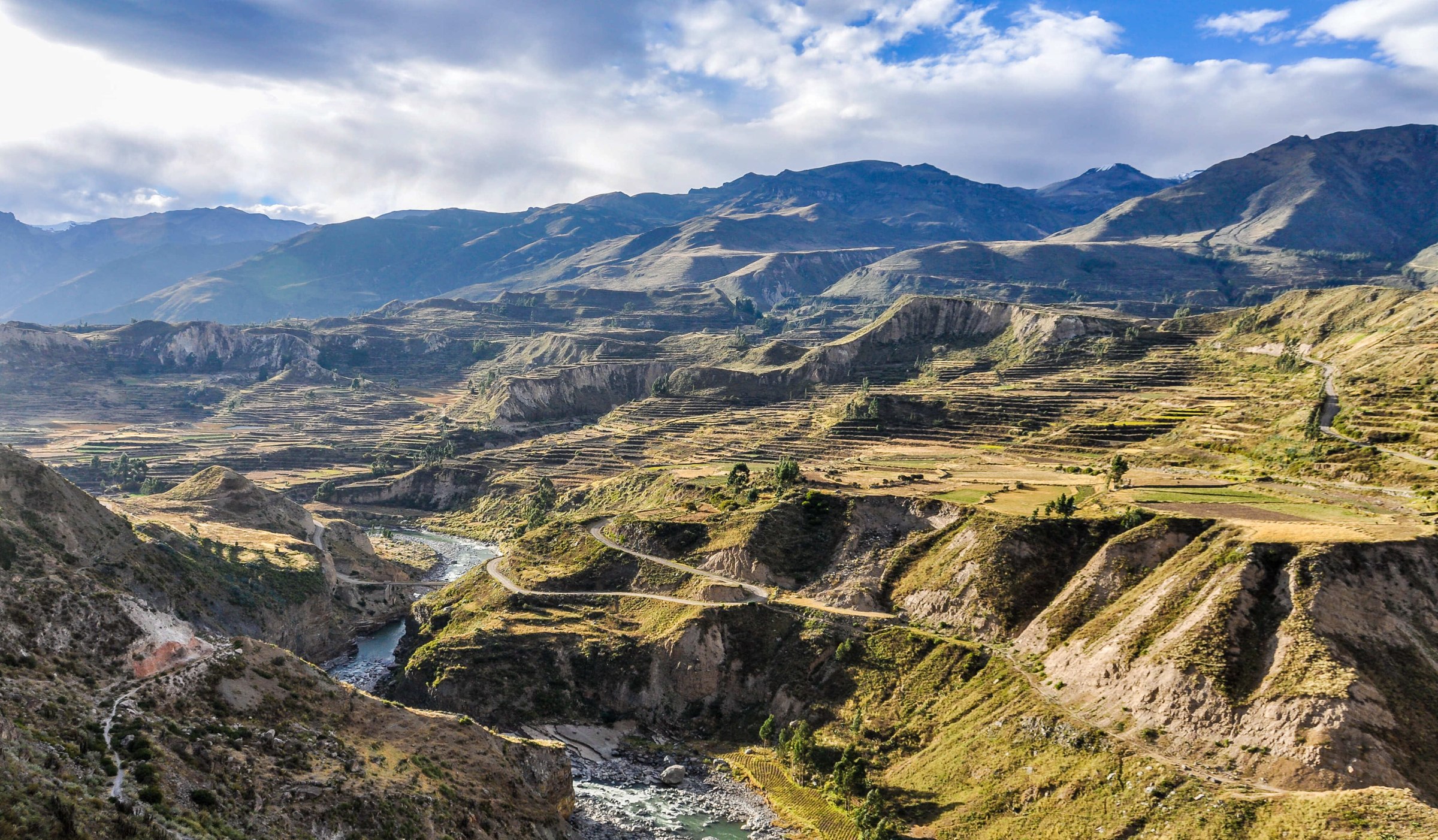
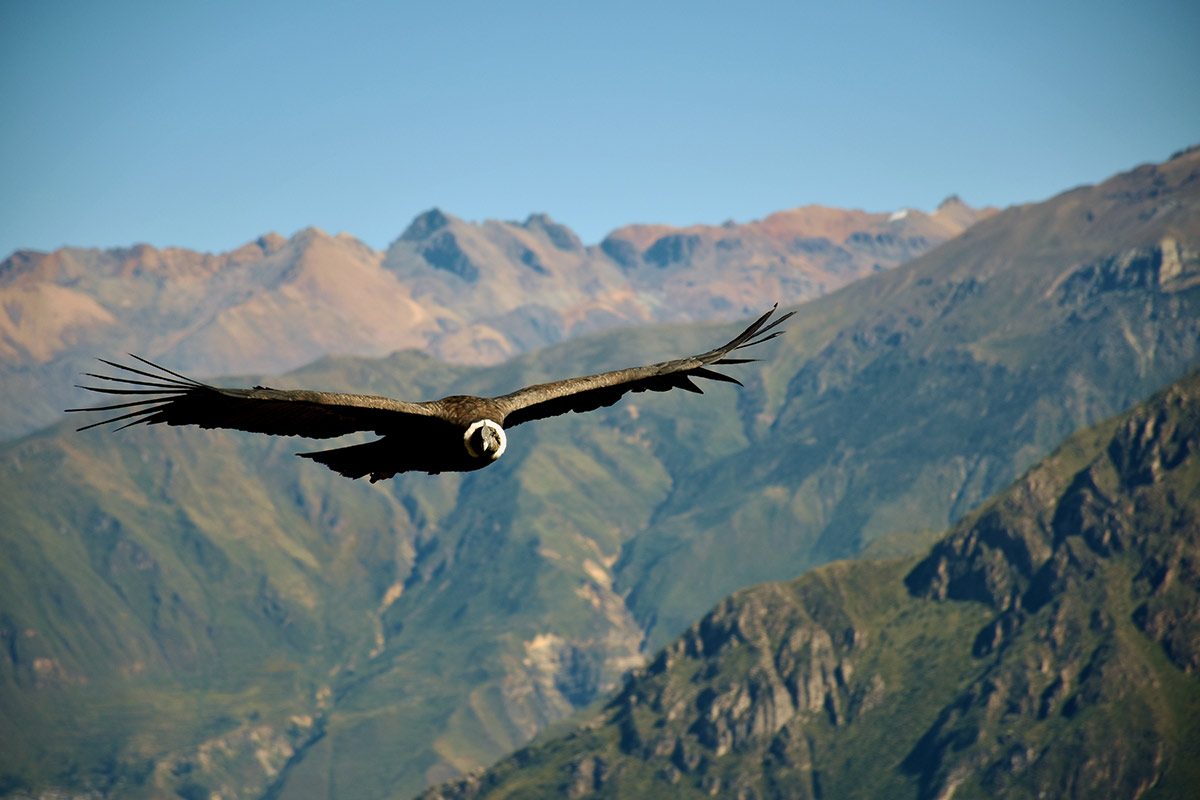
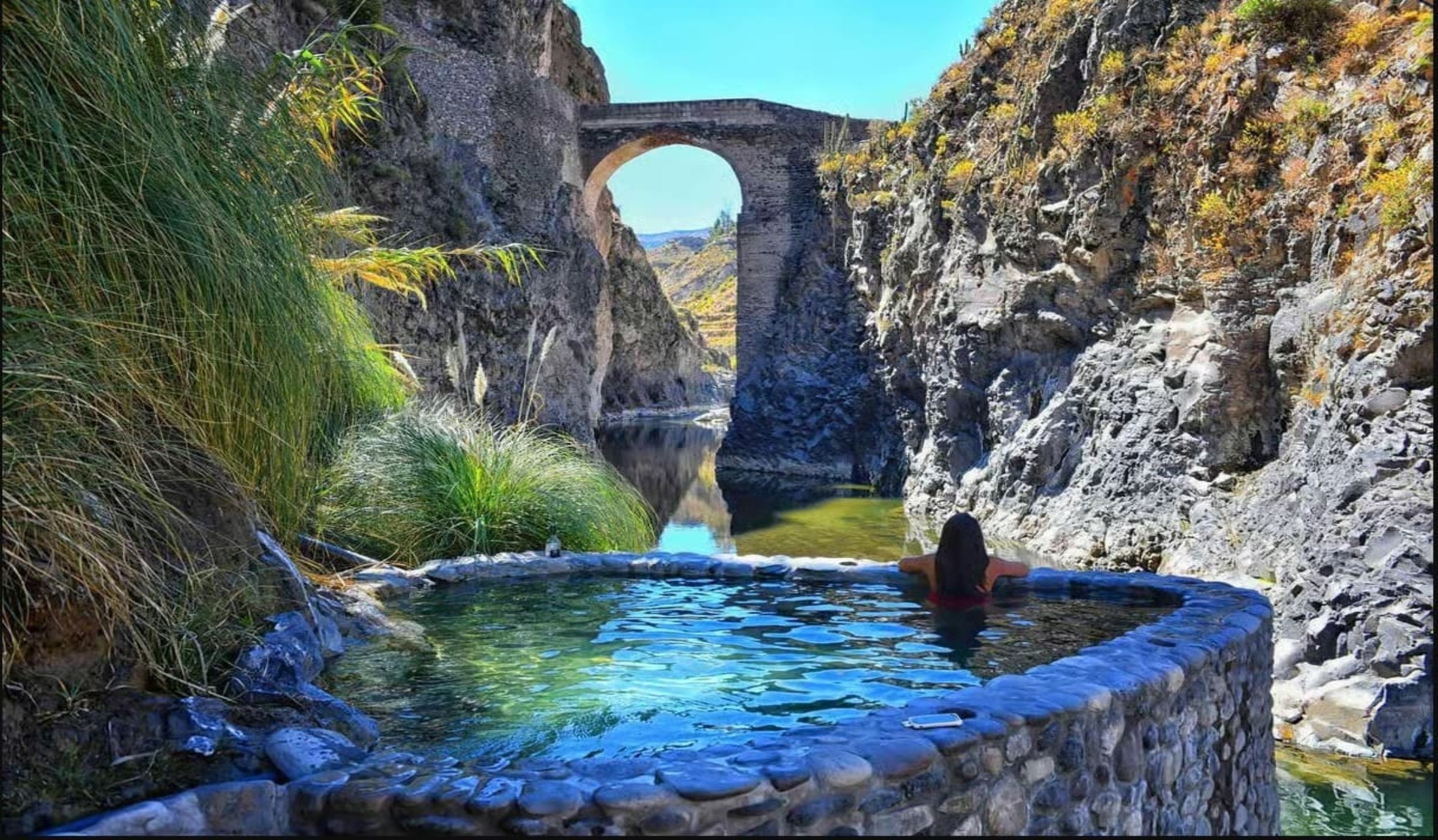
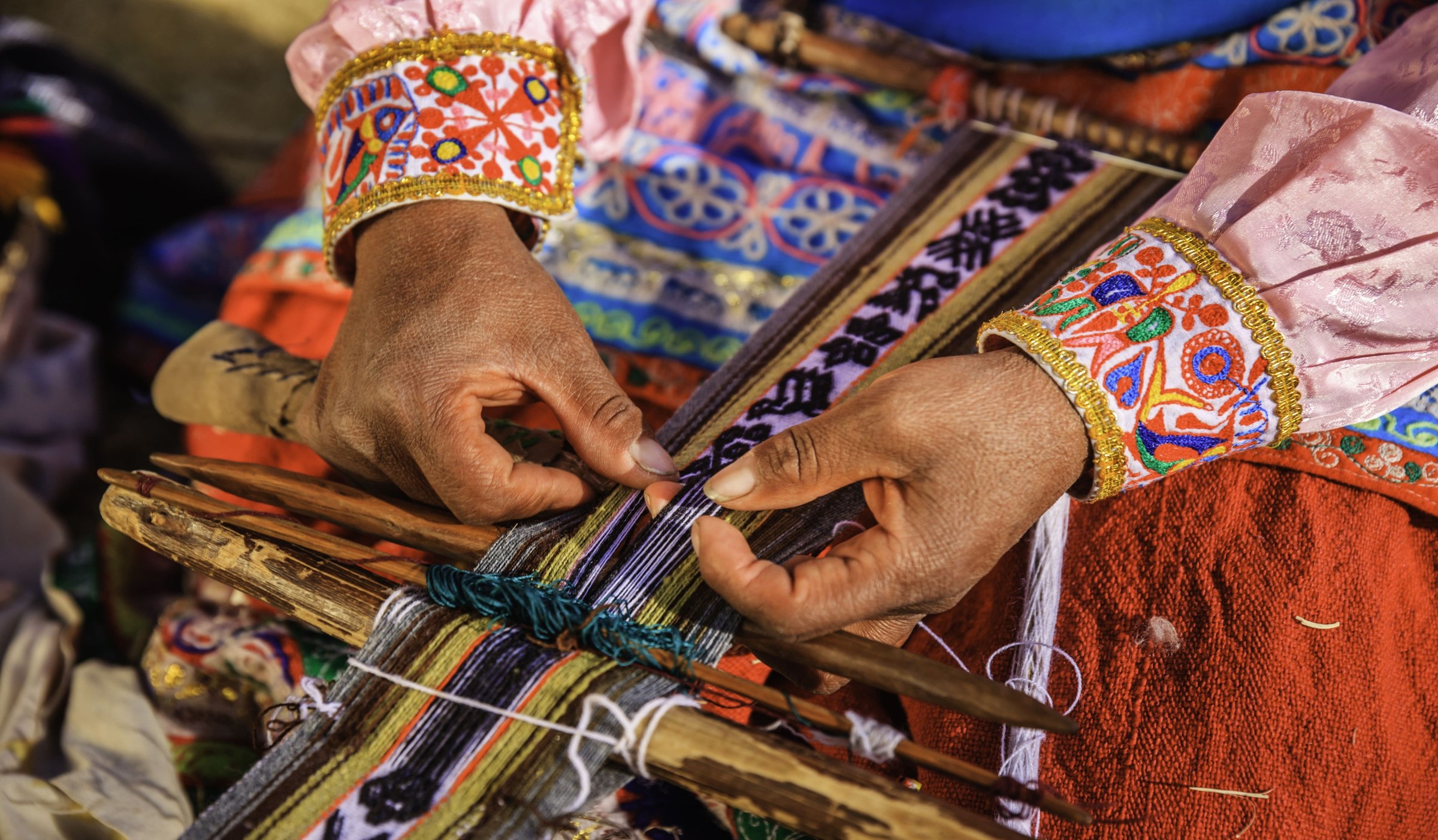
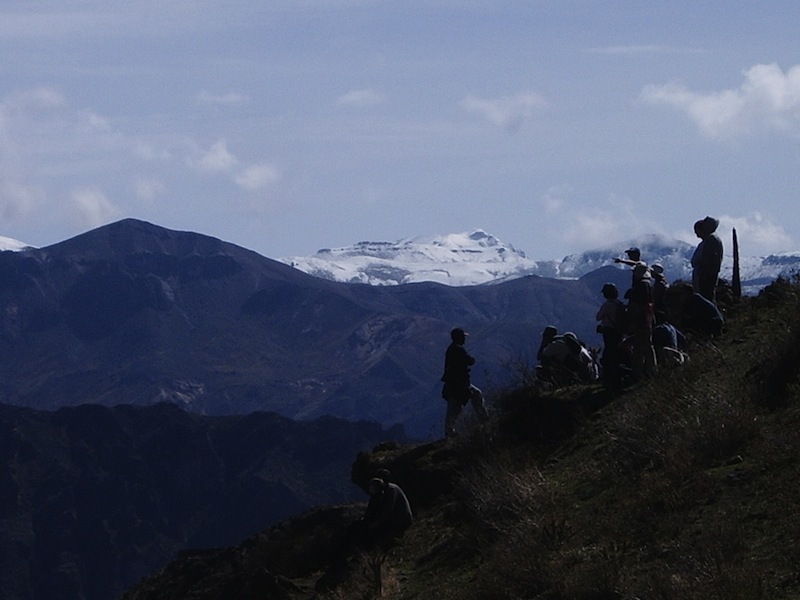
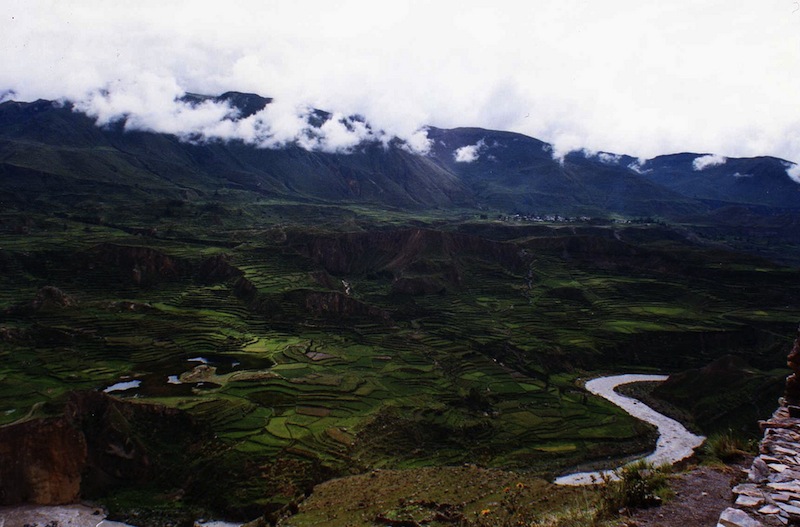
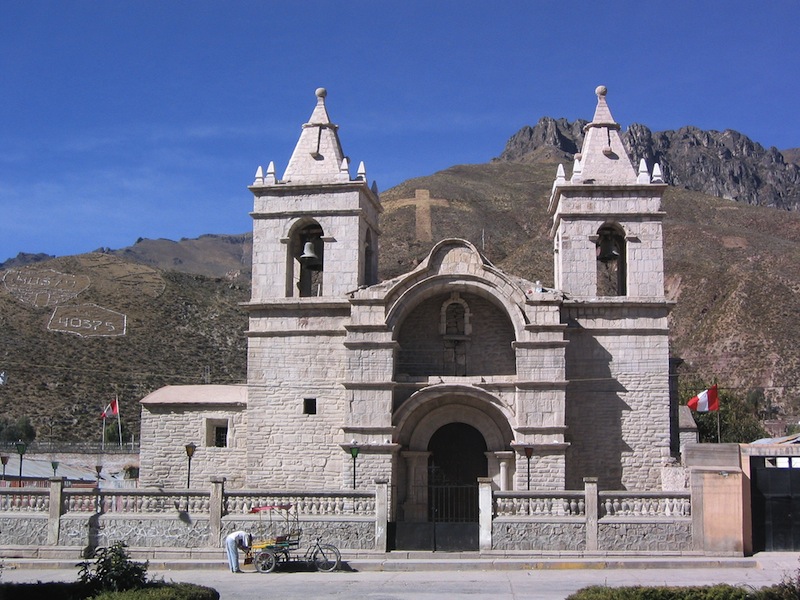
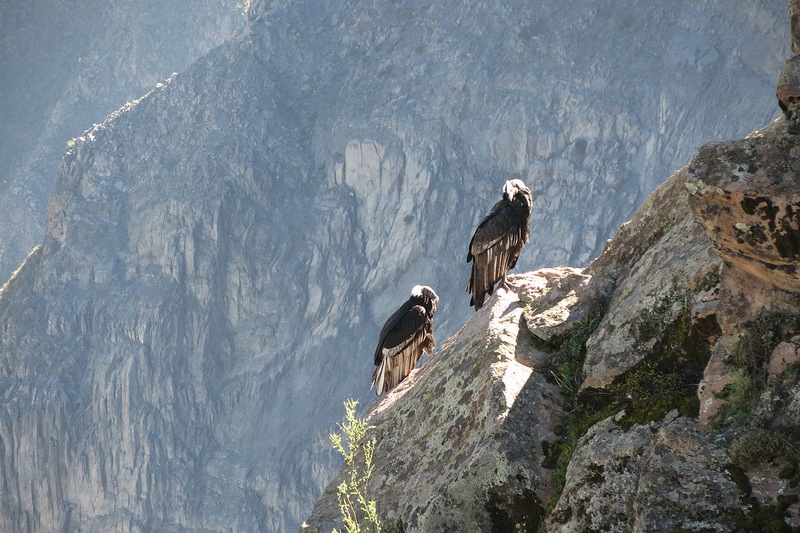
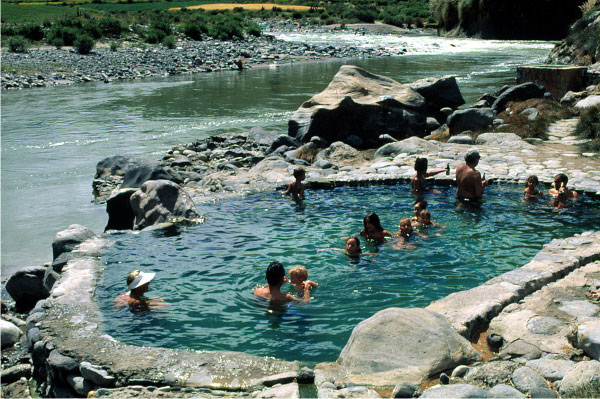
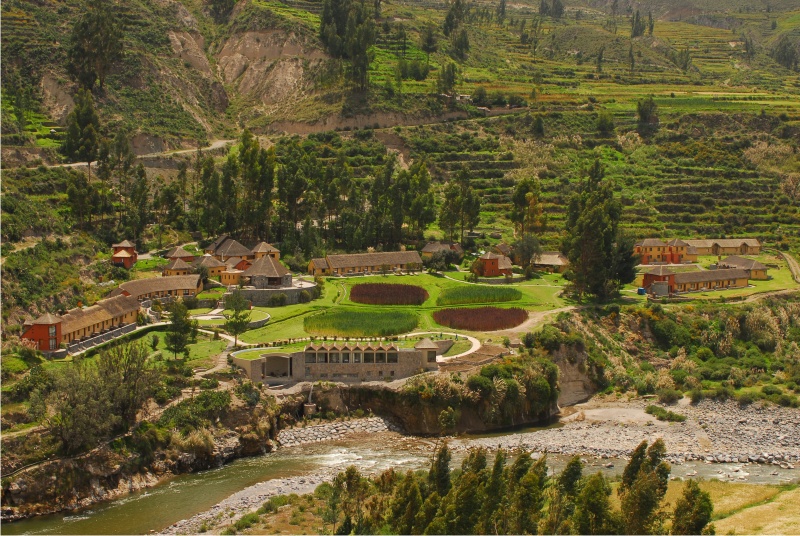
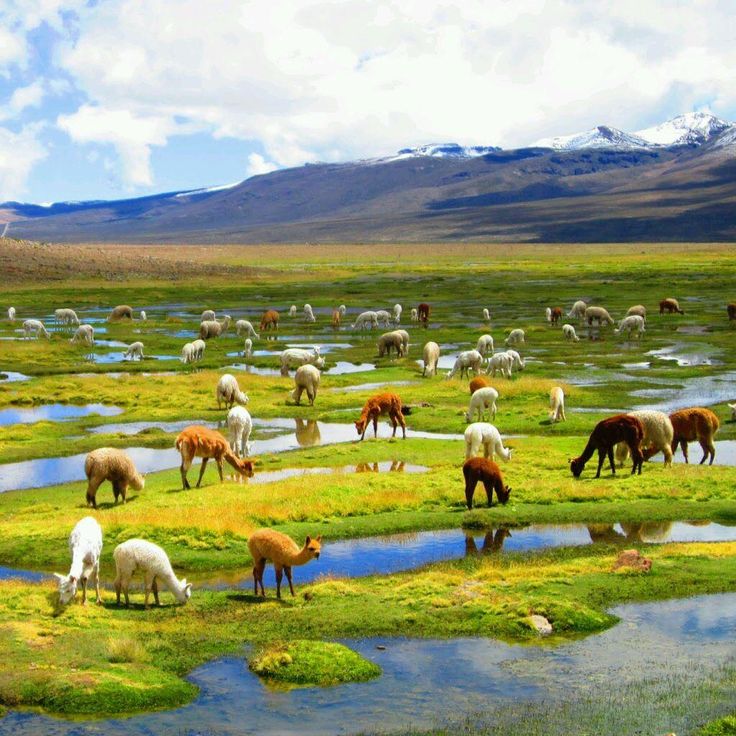
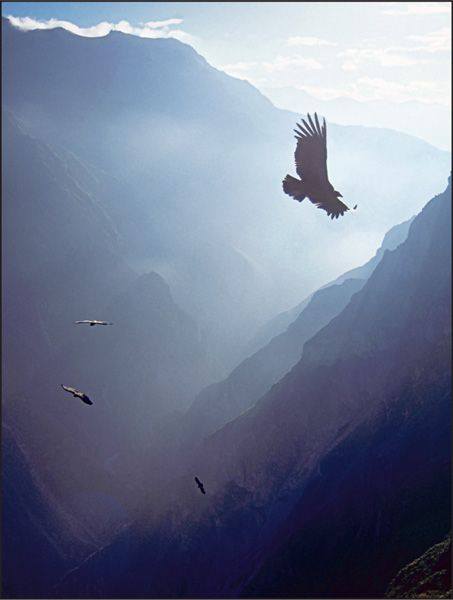
Located about 3 hours' drive north of Arequipa at an altitude of 3,500 meters, the Colca Canyon boasts beautiful Andean scenery and is famous for its condors and hot springs. The road leading there is now paved and there are good hotels available. Even though a short stretch of dirt track remains in the valley itself, the Colca Canyon can now be visited in comfortable conditions.
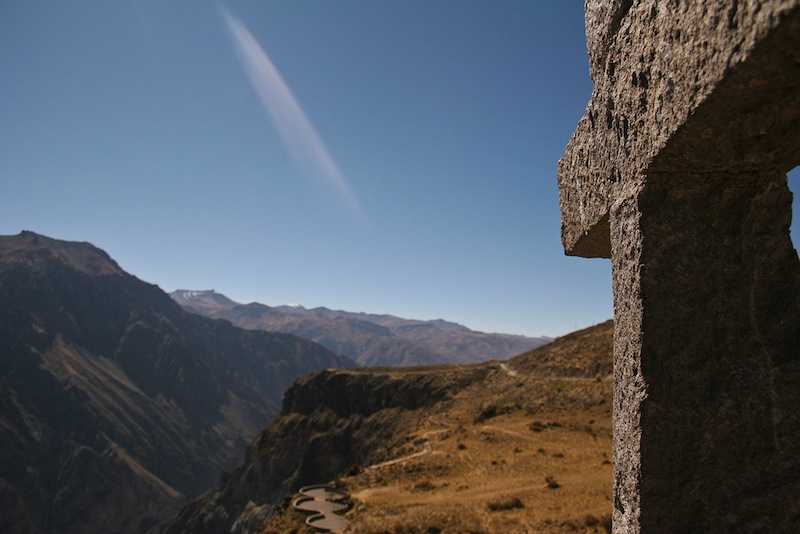
The Colca Canyon is often described as “the deepest in the world”. The claim is debatable, as it obviously depends on where the elevation difference is measured from. At the Cruz del Condor viewpoint, the river lies 1,000 meters below, and on the other side, the mountains rise more than 2,000 meters above the canyon. That alone is already very impressive.
The classic excursion lasts 2 days and lets you see the main highlights of the Colca: the terraced valley, the canyon, the condors and the hot springs. It can be done as part of a shared tour (usually in a tourist minibus with 15 to 25 people, with an English- and Spanish-speaking guide) or in a private vehicle with a French-speaking guide. Either way, you won't be the only ones waiting for the condor! But even though the spot is popular, the scenery along the way is well worth seeing.
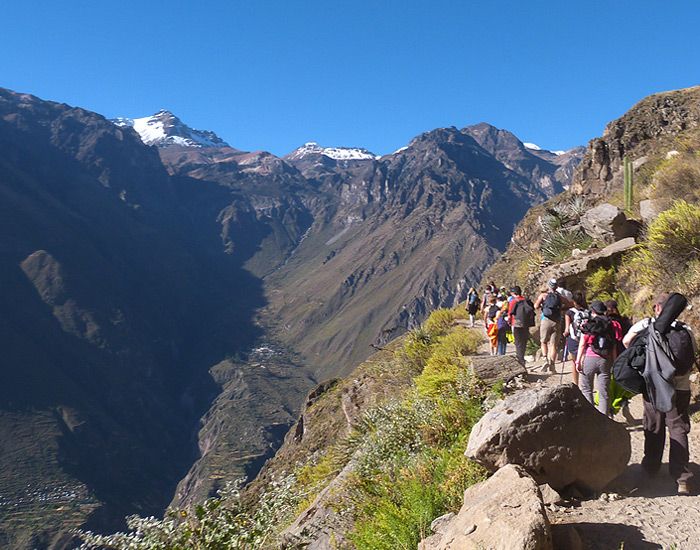
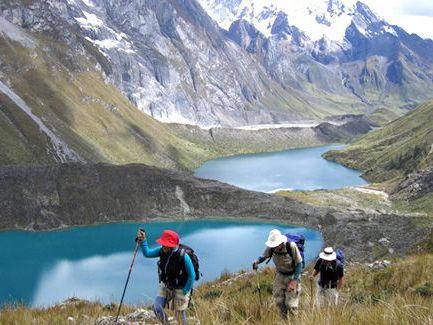
You can also choose a 3-day trek to explore the bottom of the Colca Canyon and its remote villages, which can only be reached on foot. Here, accommodation is much more basic, and it's best to be in good physical shape to handle the 1,000 meters of elevation change, both downhill and uphill.
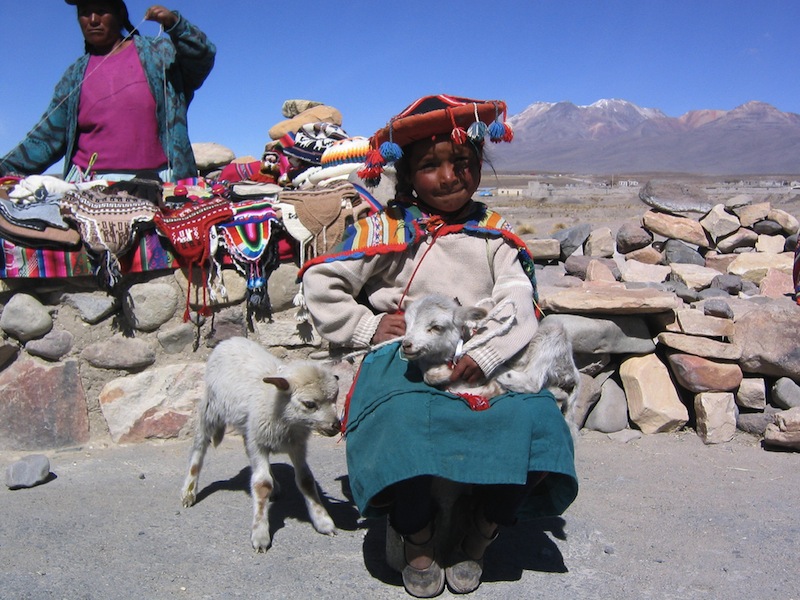
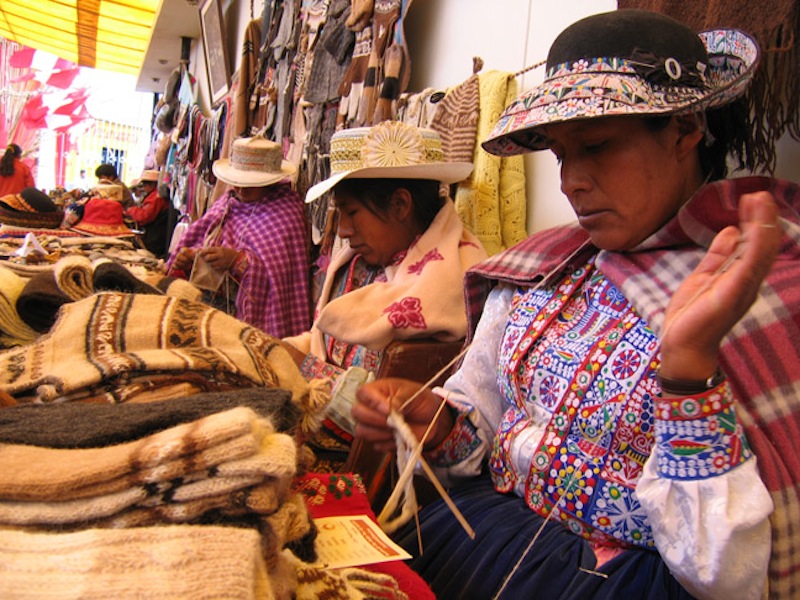
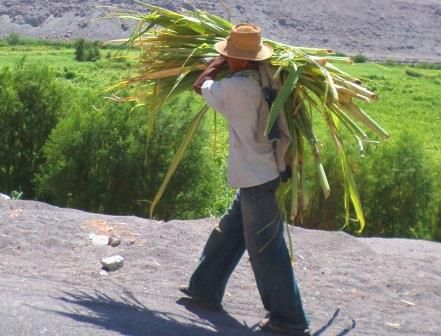
If you enjoy physical activity but don't want to push too hard or give up comfortable lodging, you can do the classic 2-day excursion and add an extra day in the Colca to go horseback riding or take an easier walk through the more open, cultivated part of the valley. It's a chance to cross paths with farmers leading their herds to the fields and to experience rural life in the Andes.
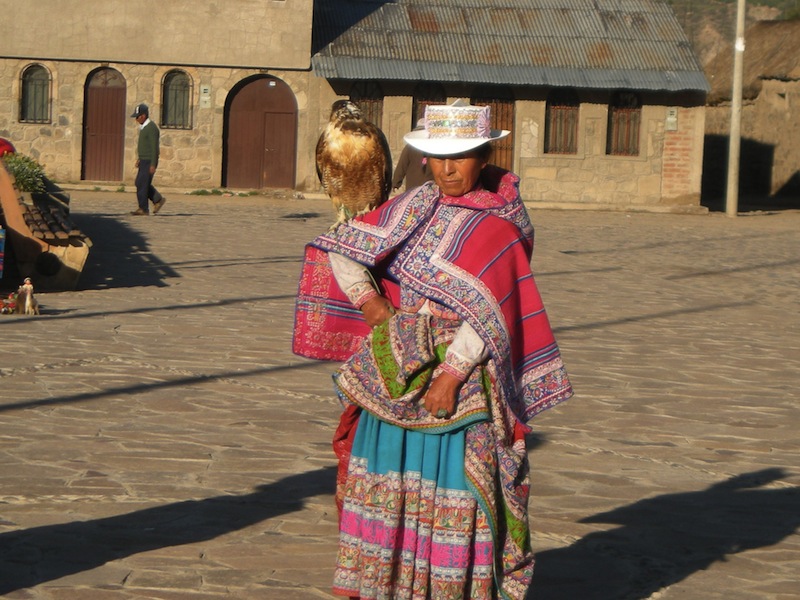
It is also possible to stay with a local family and spend a day discovering their way of life and surroundings in their company.
Excursions to the Colca Canyon usually end in Arequipa, but it is possible to head directly to Puno, on the shores of Lake Titicaca, which saves a day of travel. Returning to spend a night in Arequipa, on the other hand, offers additional rest that can help with altitude acclimatization.
Maximum daytime temperature (monthly average):
Minimum nighttime temperature (monthly average):
By road:
For more information about these hotels, you can visit the Hotels in Colca page.
With a tailor-made trip built just for you, our team on the ground supports you from your first message until your return.